

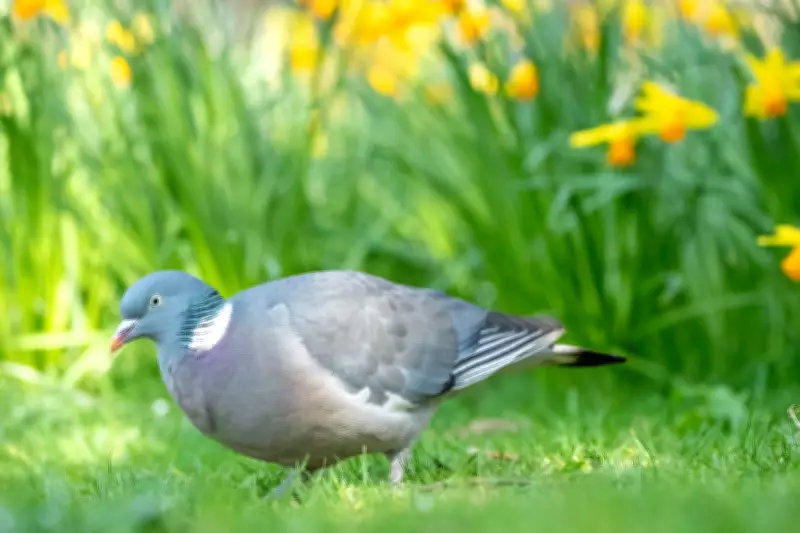
Norwich City Council is exploring a novel approach to managing the burgeoning pigeon population at its historic market, with proposals to introduce contraceptive-laced feed as a humane method of flock control. The initiative comes in response to mounting complaints from traders and shoppers who have described the birds as both a nuisance and a potential health risk in the bustling marketplace.
Contraceptive Strategy Divides Local Opinion
The council's consideration of this measure follows calls from market vendors who argue that the pigeons are causing significant disruption and fouling issues. However, the proposal has sparked a division among Norwich residents, with some actively encouraging the pigeons by feeding them, thereby contributing to the problem. The contraceptive plan would involve stocking bird feeders with grain mixed with contraceptives, designed to temporarily render the pigeons infertile and curb population growth without resorting to lethal methods.
European Precedents and Local Opposition
Trials of pigeon contraception have been implemented successfully across Europe, providing a precedent for Norwich's potential strategy. For instance, the City of Brussels achieved a remarkable 66 per cent reduction in its pigeon population between 2019 and 2023 through similar measures. Additionally, a two-year trial in Malta using contraceptive-laced feed resulted in an approximate 30 per cent decrease in the feral pigeon population, according to recent pest control reports.

Despite these successes, the contraceptive issue faced strong opposition during a recent City Hall meeting. Dozens of pigeon supporters voiced their concerns, with one attendee even wearing a pigeon mask to demonstrate solidarity with the birds. The council has resolved to ask the cabinet to explore the introduction of fixed penalty notices for individuals who persistently and intentionally feed pigeons with seed or similar food after prior warnings, aiming to deter regular feeding that exacerbates fouling and damage.
Environmental and Legal Concerns Raised
Concerns have been raised regarding the potential environmental impact of the contraceptive plan. There are fears that the contraceptives could be inadvertently consumed by other bird species, particularly endangered ones, or that predators might ingest them through their prey, leading to the spread of hormones through the environment via bird waste. These ecological considerations add a layer of complexity to the council's decision-making process.
Activist Jenny Coupland from Peck Savers has been a vocal critic of the contraceptive policy, questioning both its legality and efficacy. She cited a research paper by Flo Blackburn that critiques the use of contraception on birds as a population management tool. Coupland stated, "We've formally and comprehensively informed the council of this, if they do go ahead and invest any resources into this idea, they do so in the knowledge that this just won't work."
Previous Deterrent Methods and Future Plans
Previously, the council attempted to scare off pigeons using a hawk named Hazel, bred and trained to deter rather than hunt the birds. This four-week pilot was supported by councillor Carli Harper, cabinet member for finance and major projects, who emphasised the council's commitment to maintaining the market's appeal. Harper said, "We're proud of our magical medieval market and want to help our traders make it the best market in England and Europe. We've been told by some traders and residents the pigeons are pests, which is why we've brought in Hazel on a pilot basis to see if she can stop these pigeons from bothering shoppers in a humane, safe way."
In addition to exploring contraceptive measures and penalty notices, the council is also investigating ways in which changes to the market's provisions can influence the use of surrounding gardens and help control pigeon numbers. A council spokesperson reiterated their commitment to finding legal and humane solutions, stating, "We are exploring a range of legal and humane ways of deterring the pigeons from our market as part of our wider plans to make it not only the best market in the UK but also Europe."

As Norwich City Council continues to weigh its options, the debate over how to manage the pigeon population at the historic market highlights the challenges of balancing urban wildlife control with environmental concerns and public opinion. The outcome of these deliberations will likely set a precedent for similar issues in other UK cities grappling with pigeon-related nuisances.





