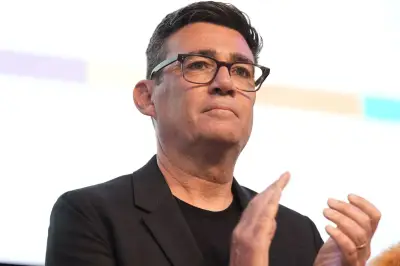
Andy Burnham has said there is no immediate commitment to increase the income tax personal allowance as a means of easing the cost of living, after reinstating a £2 cap on bus fares across England to help struggling households.
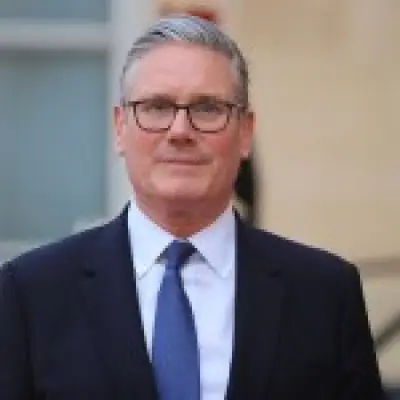
But the Prime Minister suggested increasing the £12,570 tax-free personal allowance would be something that the Government will look at in the budget this year. It came as Mr Burnham reversed a decision to increase the bus fare cap to £3 made by his predecessor Sir Keir Starmer.
Bus fare cap and cost of living
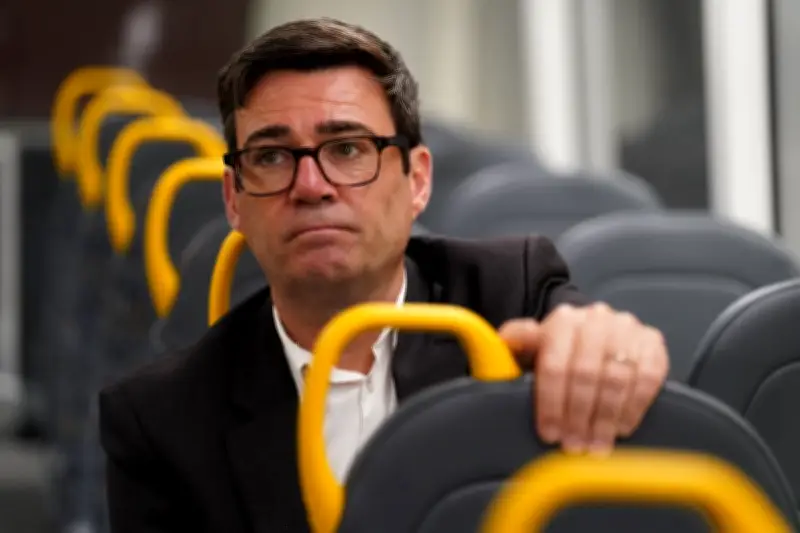
During a visit to Bath, the Prime Minister said his £2 England-wide bus cap would “really help people with the cost-of-living pressures they’re facing”. “It’s there for the whole of 2027, and I think it will put money in people’s pockets,” he added.

Asked by broadcasters during the visit whether he was planning to change the income tax allowance, the Prime Minister said: “Well, it’s funny these days you can’t answer a question honestly without then people reading everything else into it.”
He added: “I want to answer questions honestly in this job, as I said before. I think that’s all about trust in politics and doing politics differently, and I’m determined to keep keep working in that way. It was raised a lot, but I then went on to say, ‘But we’ll have to look at it at the budget alongside everything else’. So no commitment, no unfunded promise. It’s just perhaps the way politics is these days and the way people report things, but that was an honest answer. There is no commitment at this point to change, but we will look at that at the budget.”
Mr Burnham had suggested earlier this week he was open to increasing the income tax allowance as a means of easing cost-of-living pressures, after claiming “frustration” about it had come up while knocking doors during the Makerfield by-election.
Cabinet changes and ministerial appointments
The Prime Minister also rejected a suggestion he had created bad blood with his clear out of Starmer allies in his new Cabinet, telling broadcasters: “No, I spoke personally to everybody involved. I explained my decisions to them. Obviously, many people who were serving in Keir’s cabinet are still in their positions today. Heidi Alexander, who’s done a brilliant job on public transport, Pat McFadden, Shabana Mahmood, the Home Secretary. So obviously, there’s a need to bring in change to give the Government that new direction that I’ve called for. That’s just the reality of politics. It’s not about factionalism and, in fact, the way I’ve dealt with it shows that it is about building a team that reflects all sides of the Labour Party at the highest level, so everybody can see themselves represented within it, and that’s what I’ve constructed.”
The bus cap across England is set at £3 until the end of March 2027 although some areas – including London and Greater Manchester, where Mr Burnham kept the £2 limit as mayor – have lower top rates for single tickets. A previous £2 cap had been in place between January 2023 and December 2024 under the Conservatives but the incoming Labour administration argued it was not affordable.
Reinstating the £2 maximum fare will partly be funded by switching grants for international climate projects to repayable loans instead. The measure is backed by £454 million of funding, including money to allow devolved governments to take similar action. Some £400 million of that funding will come from shifting investment in international climate finance to loans, with £54 million from savings in the Department for Energy Security and Net Zero budget. The total cost of the scheme is expected to be more than £500 million, with the rest coming from Department for Transport funding already allocated to buses.
Shadow transport secretary Richard Holden questioned how the Government would pay for its promises. “The real question is how Labour will pay for these policies,” he said. “Labour MPs will not take the hard choices like cutting the surging benefits bill. That is why borrowing or taxes will have to rise to pay for their pledges.”

Meanwhile, Mr Burnham is continuing to put in place his ministerial team, with Scottish Labour leader Anas Sarwar expected to be given a peerage and a job in the revamped Department for Business, Innovation, Science and Trade. Mr Sarwar, who has been Scottish Labour leader since 2021, was among the first to call for Sir Keir to stand down in February.
Downing Street confirmed appointments including Dan Jarvis, who stepped in as Sir Keir’s defence secretary when Mr Healey resigned amid a funding row and has been returned to his previous post of security minister. James Murray, who was health secretary when Wes Streeting quit, has been made Financial Secretary to the Treasury and Paymaster General. Anna Turley is no longer Labour Party chairwoman and has instead been made a Home Office minister. Florence Eshalomi has become a housing minister and Andy Slaughter Solicitor General, freeing up their roles as heads of parliament’s housing and justice committees. There were also 17 reappointments for ministers to remain in their roles, including Sarah Sackman as justice minister and Luke Pollard as defence minister.