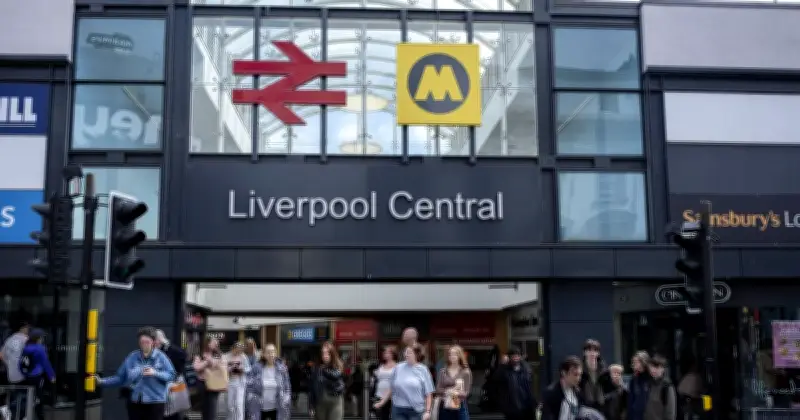
Liverpool's Merseyrail network is set to be taken back under public control in 2028 when the current concession ends, 31 years after it was privatised on 19 January 1997 following the privatisation of British Rail.
Public Ownership Confirmed
Steve Rotheram, Metro Mayor of the Liverpool City Region, said public ownership is "deliverable, achievable and secures the best option for securing strategic control" of the network. He added that it will allow the Labour-run combined authority to set services to suit communities rather than for profit.
Liam Robinson, leader of Liverpool Council and a former railway employee, declared: "Merseyrail's coming home." He described the decision as "momentous" and said it was "something I used to dream of when I was working nights at Lime Street station and other places around this country."

Transforming Public Transport
The move is part of the biggest transformation of public transport in the Liverpool City Region for decades. Public ownership of the rail network will work alongside the return of buses to public control, which begins in September.
The Merseyrail network was officially opened by Queen Elizabeth II in 1978. Since March, work has been taking place to assess legal requirements, financial implications and operating models in partnership with the Department for Transport.
Mayor's Vision
Steve Rotheram said: "Since becoming Mayor, I’ve been determined to build a transport network that works better for the people who rely on it every day - one that’s easier to use, better connected and designed around passengers."
He highlighted existing achievements: "We’ve already introduced the country’s first publicly owned train fleet in a generation, delivered new rail stations, taken back control of our buses, rolled out tap-and-go ticketing and started laying the foundations for a rapid transit network."
Rotheram emphasised the goal of integration: "People don’t obsess about whether they are getting on a bus, a train or a ferry – they just want to get where they’re going as quickly and cheaply as possible."
He added: "My ambition is simple: one network, one vision, working in the interests of the 1.6 million people who call our city region home."