Four English councils have adopted or proposed licensing rules that discourage or restrict “vertical drinking” — standing while drinking alcohol, typically at a bar inside premises — for new venues, prompting industry warnings of a threat to traditional pubs.
The policies apply mainly to fresh licence applications rather than existing establishments and do not impose an absolute ban on standing. They focus on indoor practices rather than outdoor drinking alone, though some guidance references managing crowds on pavements.
Westminster's Draft Policy
Westminster City Council’s draft Statement of Licensing Policy 2026, under consultation, aims to discourage excessive drunkenness and high-volume vertical drinking in Soho and the West End by encouraging more seating and table service instead of open bar space.
Council deputy leader Tim Barnes called suggestions of a standing ban “utterly ludicrous”, saying the guidance is about managing customers so they do not pack onto pavements or cause disturbance.
Defending the proposals, Mr Barnes said: “We are the country’s largest planning authority with some 4,000 licensed venues. We reject less than 1.5% of licence applications and there is a strong desire to see thriving, profitable venues across Westminster. As we have made clear we are happy to work with the Mayor of London on licensing and have just launched our own campaign to promote nights out in Soho.”
Pub Owner's Warning
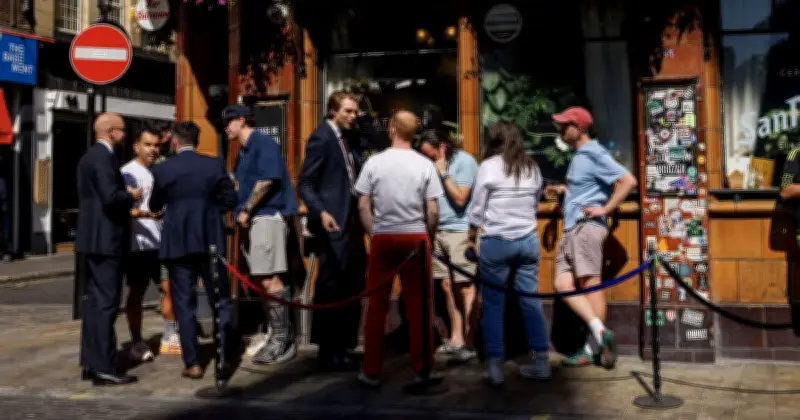
Lesley Lewis, who has run The French House, one of Soho’s most iconic pubs, for 37 years, warned that restricting standing would be “pretty much the kiss of death”. The compact venue, open since 1891, “just can’t make it work” with table service, she said.
“Certainly we’d lose half our staff, which I also don’t want to do. It’s just miserable, it’s another hammerblow at the pub.” She added that the business relies on people being able to drink outside.
Customers echoed concerns, with one saying ordering at the bar is the “charm” of pubs and another preferring the street because interiors quickly become packed.
Other Councils' Policies
Blackpool Council’s licensing guidance, in a section on “Encouraging diversity”, states that applications for mixed-use premises catering to families and older adults are encouraged, while those whose predominant offer is vertical drinking “are not encouraged”. Robust arrangements to promote licensing objectives would be required if such applications proceed.
City of Wolverhampton Council has told new restaurant applicants there will be “no vertical drinking”. Late-night café bars face conditions for waiter or waitress service only to seated customers, as the authority seeks to move away from an alcohol-led culture. A spokesman said the policy manages vertical drinking in restaurants while treating each application on its merits.
Merton Council requires operators seeking exemptions from the toughest late-night rules in Wimbledon town centre’s cumulative impact zone to take “robust steps … to prevent vertical drinking”. New venues must accept restaurant-style conditions linking late-night alcohol to sit-down meals.
A spokeswoman insisted there is “no ban on standing up and having a drink in Merton’s pubs and bars, and no plan to introduce one”.
Industry and Political Reactions
Industry bodies raised alarms. Emma McClarkin, chief executive of the British Beer and Pub Association, said any measure reducing customer numbers, raising staffing costs and squeezing margins further is a “total misstep” when two pubs close daily and publicans make just 12p profit per pint.
Michael Kill, of the Night Time Industries Association, warned a shift to more seating risks changing the character of venues. A CAMRA London spokesperson said the plans could force some struggling pubs to close and resemble a return to Covid-era restrictions by cutting capacity and social interaction.
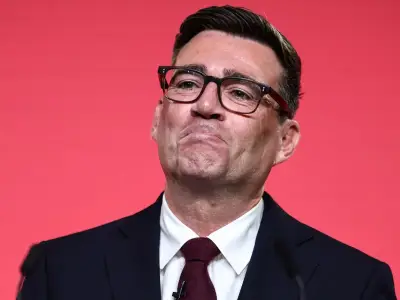
Mayor of London Sadiq Khan criticised Westminster’s “restrictive and anti-growth policies”. Prime Minister Andy Burnham’s spokesman said busy pubs full of people talking “is not a public nuisance, it is British life and it is thousands of jobs”.
Councils stress the rules are frameworks to address crime, disorder and cumulative impact under the Licensing Act 2003, with applications judged individually. Existing traditional pubs remain unaffected.