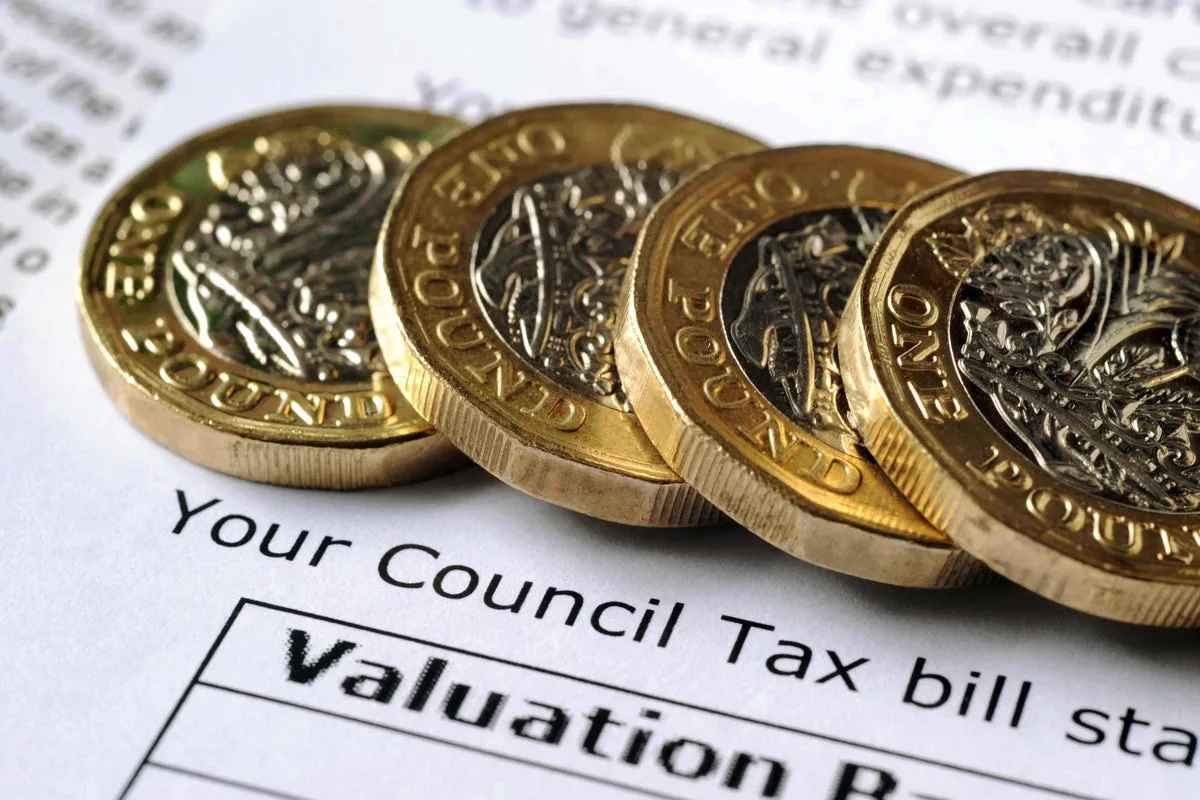
The number of local authorities in England planning to impose the maximum council tax increase has fallen this year, according to new analysis. Some 119 of 153 top-tier councils have proposed or confirmed a 4.99% rise for 2026/27, the highest without a local referendum. A further six councils with acute financial challenges are expected to accept government permission to exceed this level, meaning 125 authorities (82%) are planning at least a 4.99% increase, down from 134 (88%) last year.
The figures, compiled by the Press Association as of February 25, show 25 upper-tier councils are not seeking a 4.99% rise. Of these, eight have pencilled in rises between 4.00% and 4.98%, nine between 3.00% and 3.99%, and eight between 1.99% and 2.99%. Ten of these 25 councils are run by Reform UK. In contrast, two Reform-led councils—Doncaster and North Northamptonshire—plan the maximum 4.99%, while Worcestershire has permission for up to 8.99% due to financial pressures.
The government has reformed local government finance to establish fairer funding distribution through allocation formula changes and multi-year settlements. However, the Local Government Association warns some councils' funding will still fail to keep pace with inflation and demand pressures. Greg Stride of the Local Government Information Unit said the Fair Funding Review has changed grants, giving a few councils a temporary reprieve, but cost pressures mean this is unlikely to last.
Among councils permitted to raise council tax above 4.99%, North Somerset and Shropshire have proposed the highest increase of 8.99%, with Worcestershire opting for 8.98%. North Somerset is led by a coalition of Labour, Liberal Democrats, Greens and independents; Shropshire has a Lib Dem majority. Trafford and Warrington (both Labour-run) and Windsor & Maidenhead (Lib Dem-controlled) have been allowed rises of up to 7.49%.
Reform has pledged to lower taxes, but its leaders on Worcestershire council warned the authority could face effective bankruptcy due to a financial crisis. Other Reform-led councils have opted for smaller rises: West Northamptonshire (4.95%), Derbyshire (4.90%), Warwickshire (4.40%), Kent (3.99%), Nottinghamshire (3.99%), Staffordshire (3.99%), Lancashire (3.80%), Leicestershire (2.99%), Lincolnshire (2.90%), and Durham (1.99%). In Kent, opposition councillors accused the Reform cabinet of delivering a budget of “extreme risk” and “potentially reckless”. Council leader Linden Kemkaran said Reform would prefer no increase but cited a “dire legacy” and rising costs for social care.
A Ministry of Housing, Communities and Local Government spokesperson said: “Local authorities decide the level of council tax they wish to set, which reflects the service needs of each area, and we are clear that in doing so they should put taxpayers first. We have made over £78 billion available for council finances next year, an increase of...”