

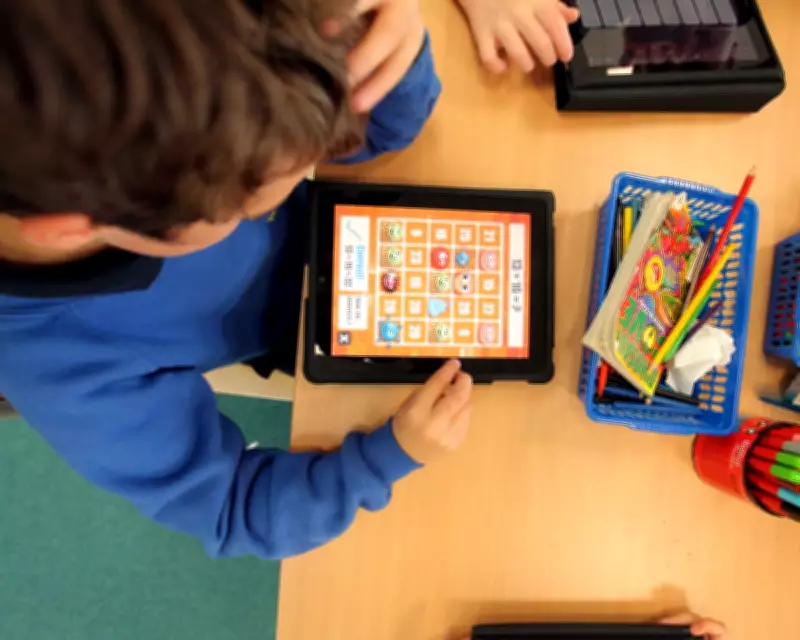
Parents and educators are voicing growing unease about the increasing reliance on screens in classrooms, as schools across the UK adopt one-to-one iPad schemes and digital platforms for teaching and communication. A recent editorial in The Guardian highlighted the need for scrutiny of big tech's influence on children's wellbeing, prompting a wave of reader responses.
Parental Concerns
One parent of two primary schoolchildren described how their school recently introduced a mandatory iPad program, with nearly all work now completed on devices. They noted that parents are expected to manage multiple, often poorly designed apps for communication, payments, and tracking reading progress. This shift comes despite a lack of clear evidence of educational benefit, while research points to downsides such as distraction, reduced concentration, and poorer literacy outcomes.
The parent argued that basic skills like handwriting, sustained reading of books, and face-to-face discussion risk being sidelined when almost every activity is mediated through a screen. They also highlighted the contradiction between limiting screen time at home for wellbeing and schools normalizing constant device use, making it difficult to enforce healthy boundaries.

Teacher Perspectives
A primary school teacher with years of experience shared that their multi-academy trust mandates a curriculum delivered entirely through PowerPoint presentations. Each lesson uses multiple slides, with at least four lessons per day, meaning children stare at the classroom screen for at least an hour and a half daily, not including dedicated computer lessons using iPads or Chromebooks. The teacher noted that lessons were far more creative and dynamic before the heavy reliance on PowerPoint.
They also called for studies on the effects of YouTube and scrolling on preschool and primary-age children, as concentration spans are being severely impacted. Google Classroom usage surged during lockdown, raising concerns about data collection from schools.
Evidence and Alternatives
Another reader cited neuroscientist Dr. Jared Cooney Horvath, who referenced OECD Pisa, Pirls, and Timss scores showing that devices like laptops and iPads are detrimental to educational progress. Evidence of dependency, cognitive offloading, and safeguarding risks is now too substantial to ignore. The reader pointed out that Sweden has replaced screens with pen and paper, recognizing that pupil-facing tech is a distraction. They argued for a return to basic principles: focus over multitasking, handwriting over touch-typing or dictation.
Conclusion
Parents and teachers are calling for evidence-based education, not expensive digital experiments. They question whether large investments in iPads and software apps serve children's needs or institutional ego. As one reader put it, schools should switch off screens for at least one or more lessons a day, restoring creativity and dynamic teaching.






