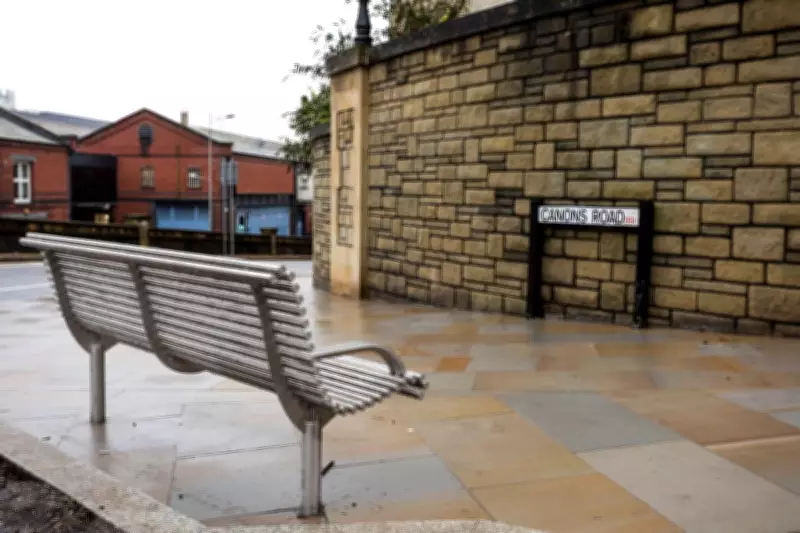
Bristol Council Defends Bench Facing Brick Wall Amid Public Mockery
Bristol council has defended the placement of a new bench that faces a brick wall, after it aroused local curiosity and mockery. The bench, installed in the city, has sparked questions about why it was positioned with such an unappealing view. BBC West noted that it joins other perversely placed seating in the area, including a bench in Shirehampton facing a derelict building and one in Wedmore facing a hedge.
Council Explanation and Promise to Review
In response to the criticism, Bristol city council explained that the bench is intended to provide a shady spot for rest on a steep hill once a planned tree is planted nearby. However, the council has promised to review the placement to address public concerns. This move highlights ongoing debates about urban infrastructure and public space design in local governance.
Benchmarking Trip to York Reveals Similar Issues
Columnist Emma Beddington, inspired by the Bristol bench controversy, embarked on a benchmarking trip in her own town of York to see if similarly poorly placed benches exist. She quickly found that no bench looks its best on a rainy February afternoon, even those overlooking glorious medieval architecture. On Peasholme Green, benches arranged around a planter offer extremely mid views, including a building site, a 1950s telephone exchange with a giant mast, and reflections in plate-glass office windows.

Further into York's tourist heart, Beddington discovered a bench facing a wall near Fenwick's staff entrance and a public toilet, bypassing bellowing Vikings in Coppergate. She noted that the worst benches are those installed with their backs to pleasant vistas, such as one overlooking bollards instead of ancient city walls, and another turning away from the willow-lined banks of the River Foss in favour of a Morrisons petrol station and busy junction.
The Civic Kindness of Benches
Despite the unlovely aspects, Beddington argues that benches, however poorly placed, embody an important act of civic kindness. After walking for hours, she realised that sometimes the view is irrelevant, and people just need a place to sit down. This perspective underscores the value of public seating in fostering community well-being and accessibility in urban environments.
However, Beddington criticises the trend of backless benches, which have become uncomfortably common, lamenting the lack of lumbar support in today's economy. She calls for a return to benches with backs to enhance comfort and usability. This commentary adds to broader discussions on infrastructure design and public amenities in cities across the UK.