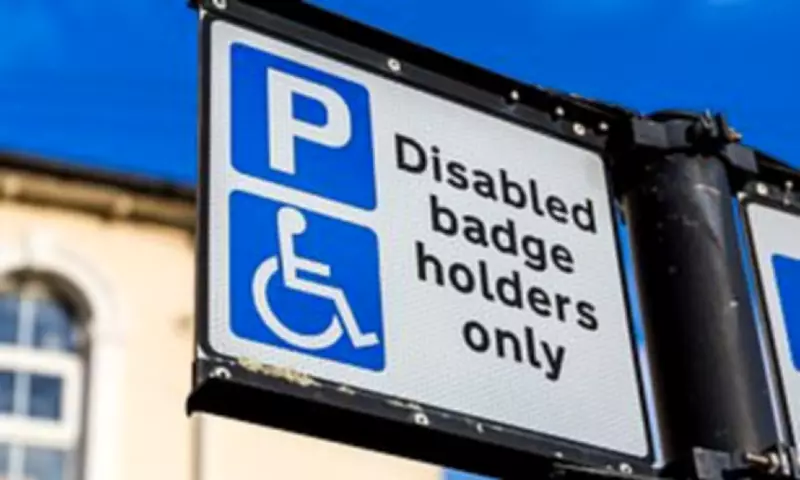
Record High in Blue Badge Holders Sparks Calls for Action Against Misuse
Local authorities across England are facing renewed pressure to address the growing issue of blue badge parking permit misuse, as new data reveals a record proportion of the population now holds these valuable permits. Analysis of Department for Transport statistics shows that 5.2% of people in England – equivalent to one in twenty – possessed a blue badge as of March 31 last year.
Alarming Statistics and Regional Variations
The total number of blue badges in circulation reached 3.07 million, marking an 8% increase from the previous year. Regional disparities are significant, with the North East showing the highest percentage of holders at 6.1%, while London recorded the lowest at just 3.5%. These permits, which must be renewed every three years, provide crucial parking concessions for people with disabilities or serious health conditions, allowing them to park closer to essential services and shops.
Expanded Eligibility and Assessment Concerns
Since 2019, the eligibility criteria for blue badges has been broadened beyond visible disabilities to include individuals with conditions such as Parkinson's disease, dementia, and epilepsy. This expansion has contributed to the rising numbers, with more than two-fifths of badges issued in the 2024/25 period being awarded without further assessment. The benefits are substantial – depending on location, badge holders can park free in pay-and-display bays, for up to three hours on yellow lines, and are exempt from London's £18 daily congestion charge.

Fraud Estimates and Recent Prosecutions
AA President Edmund King has voiced serious concerns, stating: 'The blue badge scheme is a mobility lifeline for millions of users and their families. Our concern is not the number of badges issued but the estimates that up to one in five badges may be used by someone other than the holder or authorised user.' Fraudulent activities reportedly include family misuse, use after the holder's death, counterfeit badges, and theft and resale of permits.
While recent comprehensive figures are unavailable, the National Fraud Authority estimated in 2011 that blue badge fraud cost approximately £46 million annually. Recent months have seen several councils successfully prosecuting offenders. In January, Croydon Council secured nearly £6,000 in fines and costs from seven offenders, while Barking and Dagenham Council convicted four drivers in December. Gateshead Council also prosecuted a driver for using another person's permit during the same period.
Call for Public Vigilance and Enhanced Powers
A Local Government Association spokesman emphasised the importance of community involvement: 'To help councils win the fight against blue badge fraud, residents must tip councils off about people they suspect are illegally using a badge, bearing in mind people's need for one might not be obvious.' The Department for Transport has reinforced this message, noting that local authorities now have improved powers to combat fraud and misuse in their areas, with exploitation of the scheme remaining a criminal offence.
The combination of record-high badge ownership and significant estimated misuse has created a pressing challenge for local authorities nationwide, who must balance supporting legitimate users with preventing systematic abuse of a scheme designed to aid those with genuine mobility needs.