

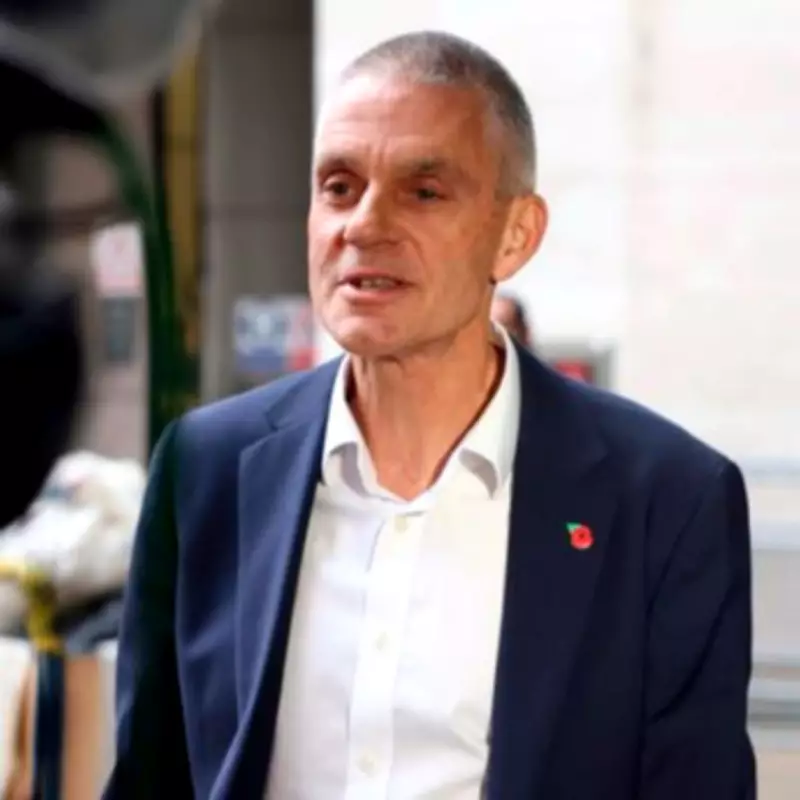
BBC Director General Defends Controversial Licence Fee Increase
The outgoing Director General of the BBC, Tim Davie, has publicly defended the corporation's decision to increase the television licence fee to £15 per month. This significant rise makes the mandatory payment more expensive than popular streaming subscriptions like Netflix and Amazon Prime, sparking widespread criticism and debate.
Institutional Crisis and Trust Challenges
Speaking candidly on The Rest Is Entertainment podcast, Davie acknowledged that the BBC, along with other major institutions, is currently facing a profound "crisis." He emphasised that trust is fundamentally built when the public believes an organisation is acting in their best interests and genuinely listening to their concerns.
"Trust is built by people absolutely believing that someone is acting in their interest and that they listen to them," Davie stated. "I think there have been too many instances where institutions, and the BBC is definitely not exempt from this, operate with a certain metropolitan lens on life."

Value Proposition and Future Vision
The licence fee increase, mandated by the 2022 Licence Fee Settlement, will see the annual cost rise by £5.50 to £180 from April 1st. This translates to exactly £15 per month for a standard colour television licence. Davie argued that as long as the BBC delivers substantial value to every household, such increases should be acceptable to the public.
"If we can deliver value for every household and really work at that, then everyone contributes fairly," he explained. "I actually think it could be something exciting for the future - quite enlightened. You don't have to go exactly where the market is going currently. You have to make markets, and I think we can do that."
Recent Controversies and Legal Challenges
The BBC has faced serious allegations regarding journalistic standards, particularly concerning a Panorama documentary about Donald Trump. An internal memo suggested that editors had spliced together parts of a speech to make it appear Trump explicitly encouraged the 2021 Capitol Hill riot. This has resulted in a multi-billion dollar lawsuit from Trump, scheduled for trial in February 2027.
Both Davie and BBC head of news Deborah Turness resigned in November amid these controversies. While not referencing specific errors, Davie spoke about an age of "weaponisation" where selective facts are used to criticise institutions without acknowledging their broader contributions.
"We've made mistakes, sometimes serious mistakes, which we regret," Davie admitted. "But weaponisation is selectively taking one fact - it may be a fact - but what you're not standing on is any effort to be proportionate. It's literally just selecting a fact to make a case."
Broader Context and Public Perception
The licence fee debate occurs against a backdrop of changing media consumption habits, with many households questioning why they should pay more for the BBC than for commercial streaming services they can choose to subscribe to or cancel at any time. Davie's defence centres on the BBC's unique role as a public service broadcaster that should not simply follow market trends but help shape them.
As the consultation phase continues, the BBC faces the dual challenge of justifying its funding model while addressing legitimate concerns about editorial standards and public trust. The coming months will prove crucial for the broadcaster's future direction and its relationship with the British public who ultimately fund its operations.






