

Communities across the UK are on high alert for a potential wave of 'land grabs' by travellers, who may use the bank holiday weekend as cover to establish illegal camps. The trend involves groups purchasing fields and quickly converting them into unauthorised caravan pitches while officials are scarce.
How the Scheme Works
Once the land is acquired, 'retrospective' planning applications are submitted to councils. Even if these are denied, the legal process to clear the sites is lengthy and costly, allowing travellers to live on or rent out the caravans for months or even years.
Recent Incidents
Over the Easter weekend, unauthorised developments emerged in Kent, Surrey, and Hertfordshire. Shadow communities secretary James Cleverly expressed concerns: 'Far too often, people wake up after the bank holiday weekend to find illegal traveller encampments in their communities.' He added that families feel abandoned as criminality goes unpunished and green spaces are damaged.

Conservative Party Proposals
The Conservatives have pledged to tackle the issue by banning retrospective planning approval for caravan sites and strengthening countryside protections. They also believe leaving the European Convention on Human Rights (ECHR) and repealing the Human Rights Act would prevent frivolous appeals using human rights laws.
Felsted on Alert
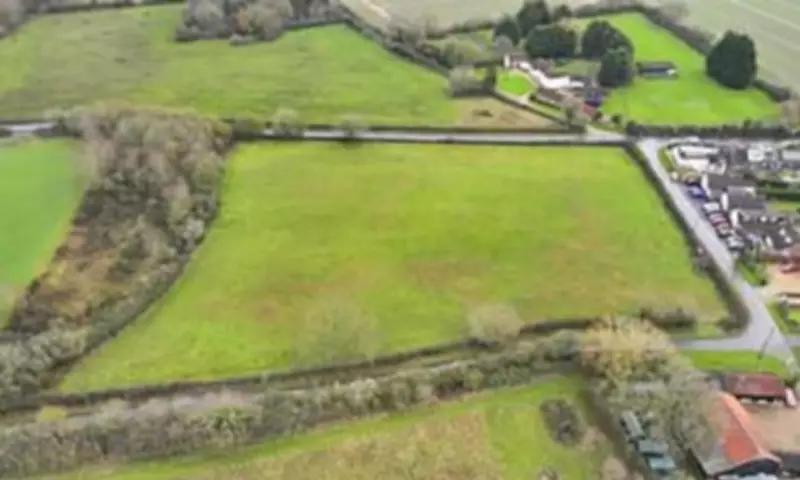
Residents of Felsted in north Essex are particularly concerned about a four-acre field in the nearby hamlet of Willows Green. The field was sold to a real estate company for £125,000 a year ago and has since been marketed as small plots, some believed to be purchased by travellers. A local council source suggested plans to import thousands of tonnes of hardcore to build a mobile home park base.
Legal Actions Underway
Three councils in the South East are pursuing expensive legal action over Easter weekend sites. In Alfold, Surrey, an interim injunction was issued after 17 caravan pitches were created without permission. Sevenoaks District Council issued a stop notice in Sundridge, Kent, while Dacorum Borough Council applied for an emergency High Court injunction in Flamstead, Hertfordshire, where 16 pitches were developed on an area of outstanding natural beauty.
Challenges in Enforcement
Even if planning applications are refused, legal appeals can be mounted, with human rights lawyers arguing insufficient traveller pitches are provided. The Felsted site is owned by UK Real Estate and Land 2 Limited, which paid £125,000 cash and has since been dissolved. A planning application for a log cabin was rejected due to likely presence of newts.
Richard Freeman, Chair of Felsted Parish Council's Planning Committee, said: 'We were told there is not really any action they can take until something happens so the law is really against us. Residents will be keeping their eyes and ears open over the weekend and will report anything suspicious to Uttlesford Council immediately.'






