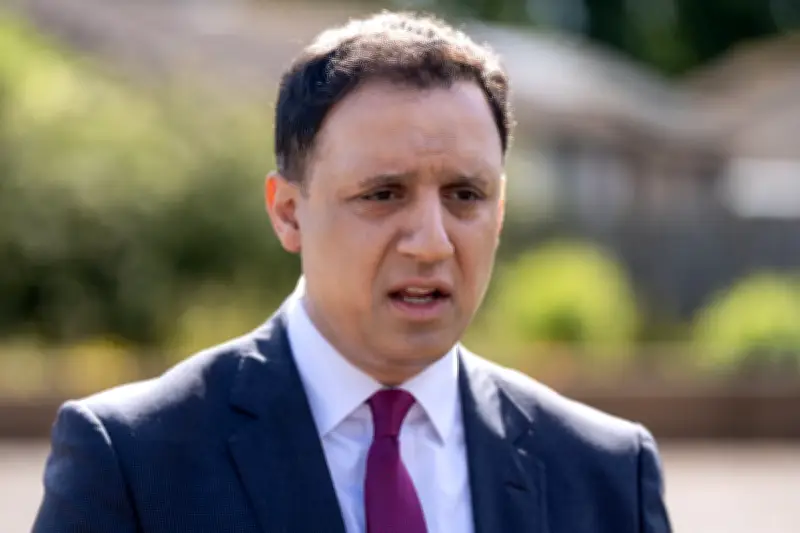
Scottish Labour leader Anas Sarwar is to be made a peer and appointed as a minister in Andy Burnham’s Government, sources have told the Press Association. He will be elevated to the Lords and is expected to take up a ministerial post at the revamped Department for Business, Innovation, Science and Trade, headed by Jonathan Reynolds.
Cabinet reshuffle and Burnham's first moves
It comes as Mr Burnham is set to make a raft of ministerial appointments and after he unveiled his Cabinet on Monday, which marked a clearout of loyalists to his predecessor Sir Keir Starmer. Mr Sarwar, who has been Scottish Labour leader since 2021, was among the first to call for Sir Keir to stand down in February. He hailed successor Mr Burnham for his “bold Labour vision” as he entered No 10 this week.
Focus on cost-of-living
Mr Burnham called for unity and told his Cabinet he will lead a “cost-of-living Government” after announcing an £850 million tax cut on electricity bills on Tuesday. No 10 said the Cabinet meeting reflected “a sense of a united team, a new sense of energy, and a second chance at a first impression.” His first policy reflected the focus on helping hard-pressed people, but questions were raised about how it was being funded and whether the £45 a year it will save households is worthwhile.

The Government said the electricity bill VAT cut would be funded in part by scrapping Sir Keir’s digital ID project, which had been estimated to cost about £600 million a year over three years. That falls short of the estimated £850 million hit to tax revenues from the VAT cut, and funding for digital ID was meant to have come from unidentified Whitehall savings. Downing Street has insisted the plan is fully funded.
At Cabinet, Mr Burnham sat opposite his new Chancellor John Healey, and was flanked by Cabinet Secretary Dame Antonia Romeo and Education Secretary and deputy Labour leader Lucy Powell. The Labour leader said the Cabinet he had assembled, after purging allies of Sir Keir, “reflects the party, the country, all backgrounds”, and told those who had survived the clear-out to take it as a “major vote of confidence”.