

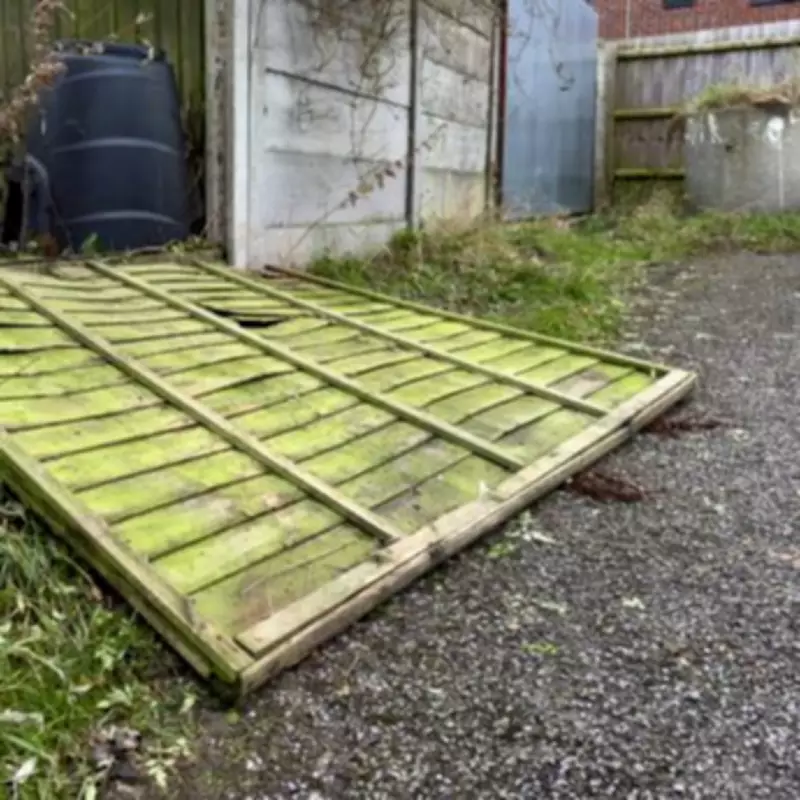
A property law specialist has outlined a simple and affordable method for homeowners to determine fence ownership, potentially ending disputes with neighbours. Denise Nurse, speaking on BBC Morning Live, debunked the common myth that the left-hand boundary always belongs to you, explaining that the only definitive way to know is to obtain title plans from the Land Registry.
The £3 Solution
Ms Nurse stated: 'The first thing is we should most of us have title plans. They're available from the Land Registry. You can literally go online and apply for that. It costs £3. If you want an original, it's £7. So, it's not much. What that will show you is usually the red line etching of what's your property.' However, she cautioned that these plans are not exact but provide a general indication of boundaries, serving as a starting point for discussions with neighbours.
Understanding T-Marks
Title plans may include a 'T-mark', a small marking indicating responsibility for a boundary line. Ms Nurse explained: 'The other thing is you may have heard of a T-mark when you get the plan, which is literally a horizontal vertical line looks like a T. Now what that denotes is if there is one on your plan, and there isn't often, who's responsible for a boundary line? So that question of who's responsible for the fence, if you've got that on your plans, it might indicate that again, I'd get it checked and agree with your neighbour. It's not necessarily cast iron.'

Communication is Key
Ms Nurse emphasised the importance of talking to neighbours before escalating disputes. 'The next thing to do is just go and talk. But if we actually have a conversation, we can again get rid of a lot of those myths. Just make an agreement. This is yours. This is mine,' she advised. For more complex situations with unclear boundaries, she recommended hiring a chartered surveyor, which can cost from a few hundred to several thousand pounds. She suggested doing this jointly with the neighbour to reach an agreed solution, which can then be registered with the Land Registry.
Mediation as a Last Resort
If discussions fail, mediation is the next step. Ms Nurse pointed to resources from the Royal Institution of Chartered Surveyors and the Property Litigation Association, which offer a mediation package for boundary disputes. She warned against jumping to litigation, as it is expensive and disputes must be disclosed when selling a property, potentially devaluing it. 'So try to resolve them first,' she concluded.






