
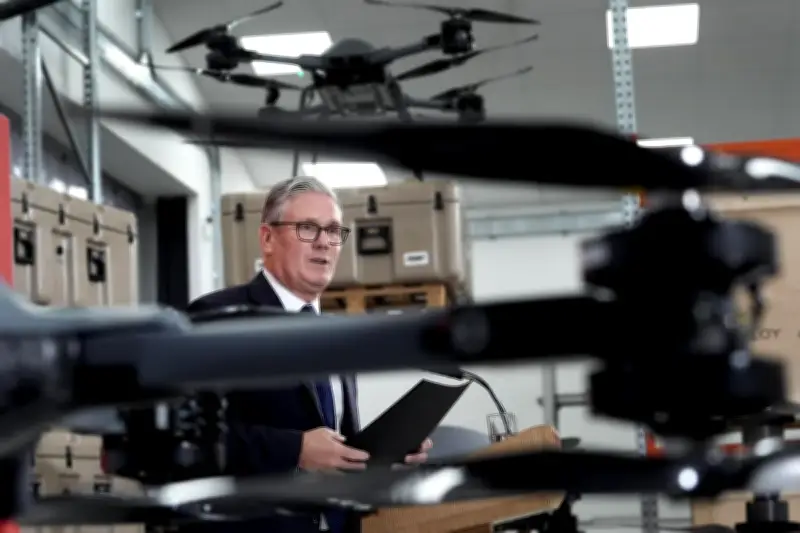
Sir Keir Starmer has set out the long-delayed defence investment plan (Dip), pledging billions of pounds to prepare Britain for war by 2030. The plan includes a £15 billion increase in defence spending, funded by scrapping investments elsewhere, and aims to transform the armed forces with drones, a hybrid navy, and a next-generation fighter jet.
Defence Spending Boost
Chancellor Rachel Reeves confirmed the Treasury had provided an extra £15 billion for the Dip, above last year’s increase paid for by cutting the aid budget. This figure exceeds the previous offer of £13.5 billion that led to John Healey quitting as defence secretary, but falls short of the £28 billion defence chiefs reportedly requested. Starmer said he would not cut day-to-day spending on frontline services, but scrapped some capital projects not “immediately vital,” including some roads and energy projects. The uplift will see annual defence spending reach £80 billion by 2029, up from £54 billion when Labour came to power.
Defence Bonds Ruled Out
The Prime Minister ruled out using more borrowing to fund defence, dismissing calls from the Liberal Democrats and others for “defence bonds.” He said the government had looked “very carefully” at the proposal but deemed it “borrowing by another name.” He added: “The fact is doing this through borrowing would push interest rates higher at a time when one pound in every 10 already goes on paying debt interest.”
Drone Transformation and New Fighter Jet
Learning from Ukraine and Iran, Starmer pledged over £5 billion over four years for a “drone transformation.” Some £650 million will fund combat and surveillance drones for land forces, aiming to increase the Army’s “lethality” ten-fold. The plan also includes funding for a “hybrid” Royal Navy with smaller autonomous vessels working alongside crewed ships. Additionally, over £8 billion will go to the Global Combat Air Programme to create a next-generation stealth fighter jet with Japan and Italy, supported by smaller autonomous “wingmen.”
Nuclear Deterrent Upgrade
Starmer announced a £64 billion investment in renewing the UK’s nuclear deterrent, including new Dreadnought submarines, a new sovereign warhead, and 12 F35-A jets capable of carrying nuclear weapons. Four Dreadnought boats will replace the current Vanguard class from the 2030s. Part of this funding will support a decade-long £26 billion overhaul of naval bases at Faslane, Portsmouth, and Devonport, dubbed “Project Royal Oak.”
Defence Exports Boost
The Prime Minister announced a “once-in-a-generation” £50 billion defence export facility to help British firms compete internationally, saying it would “support British defence businesses to create more jobs and opportunity up and down the country.”
Successor Backing Expected
Starmer said the Dip provided a “platform on which whoever comes after me can build,” amid speculation Andy Burnham could seek to rewrite parts of the plan. He added the plan was “something which any Labour prime minister would want to stand behind, it’s a platform any Labour prime minister would want to stand on.” However, he did not answer whether Burnham had seen or signed off on the plan.




