
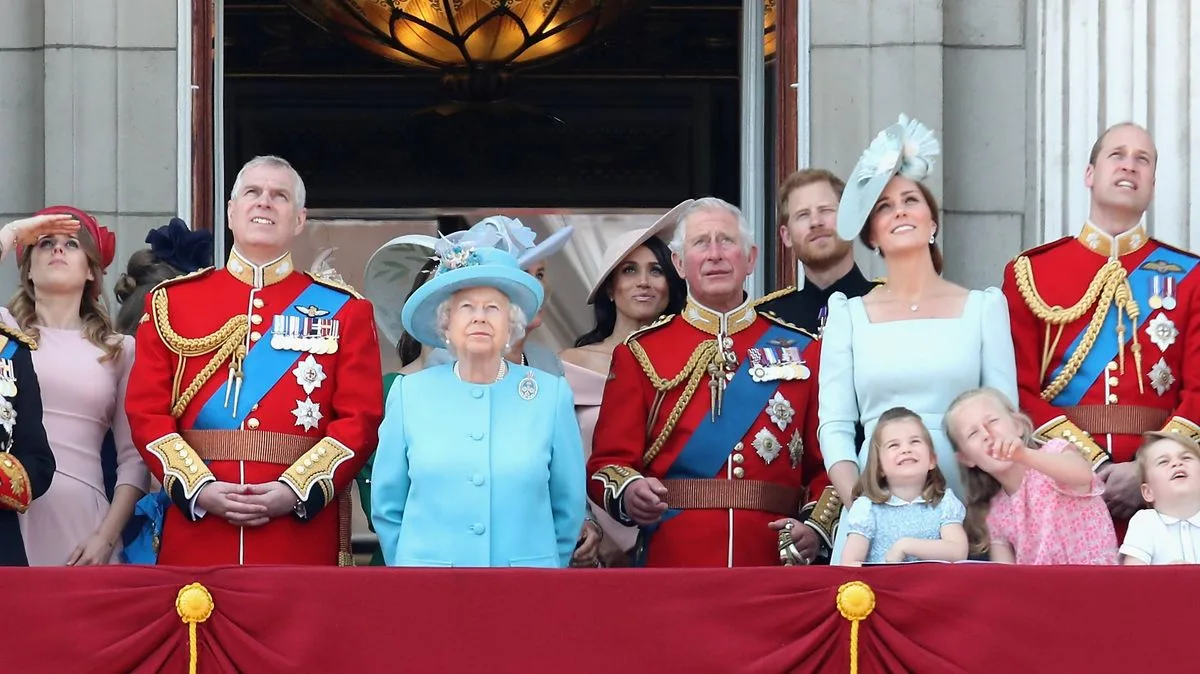
Veteran broadcaster David Dimbleby, known for decades of royal coverage, is turning a critical eye on the monarchy in his new BBC series, What is the Monarchy For?. The series examines the wealth and power of the royal family, branding the late Queen Elizabeth II an 'astute tax avoider' and suggesting King Charles III is the first billionaire monarch.
Dimbleby, 87, estimates the King's wealth at £1.2 billion, though he calls this a conservative figure as it excludes assets like shares. He notes that most of the King's wealth comes from the annual sovereign grant, the Duchy of Lancaster, and his tax-free inheritance. 'By the time of Charles's coronation, he didn't just inherit the crown, he inherited more wealth than any monarch for generations,' Dimbleby says.
The series reveals that the Queen used her royal privilege to exempt herself from 160 laws, including those on financial secrecy, health and safety, and equal opportunities. In 1973, Prime Minister Edward Heath attempted to lift secrecy over her investments, but the Queen created a legal mechanism to keep her family's wealth hidden. Dimbleby asks: 'At a time when millions are struggling to make ends meet: How is it the royal family is making more money than ever?'
Dimbleby also highlights that the Queen's father, George VI, persuaded the government that he should not pay tax, a practice Elizabeth II continued until the 1992 Windsor Castle fire sparked public outrage. She then volunteered to pay around £2 million in tax. Journalist Valentine Low confirms that the Queen was an 'astute tax avoider'.
The series includes an estimate of the King's assets: £330 million for the privately owned Sandringham and Balmoral estates, at least £533 million for jewellery, £100 million for his stamp collection, £27 million for livestock (mainly racehorses), and £24 million for his art collection. Royal aides have dismissed the £1.2 billion figure as 'a mix of speculation, assumption and inaccuracy'.




