
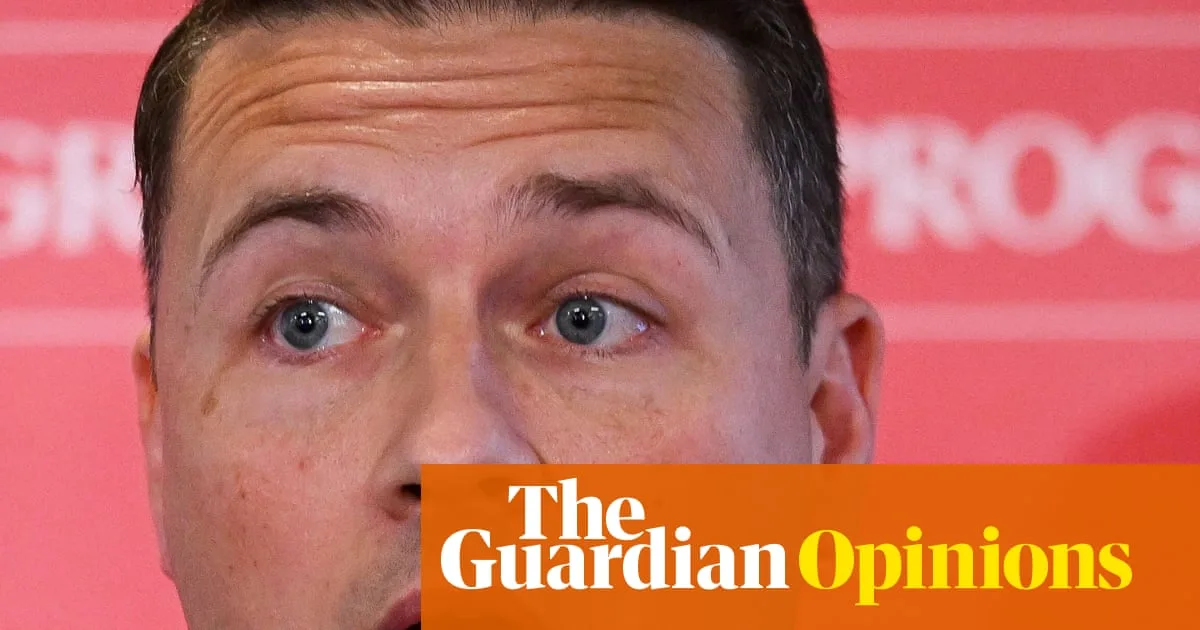
Wes Streeting’s recent comments on Europe have reignited the Brexit debate within Labour, but analysts say his positioning is more about leadership politics than genuine policy ambition. The former health secretary used a speech to call for a new “special relationship” with the EU and expressed a long-term desire to rejoin, but offered few specifics on how to achieve this.
Streeting’s move comes as rival Andy Burnham navigates a tricky path in his bid for a parliamentary seat. Burnham, who initially suggested a case for closer ties, has adopted a more sceptical stance, likely to appeal to leave-voting constituents in Makerfield where Reform UK is a threat. This leaves Streeting free to appeal to pro-EU Labour members without committing to concrete action.
Observers note that the current UK-EU talks have stalled over the EU’s demand for a youth mobility deal allowing EU students domestic fees. The government wants closer relations, but the EU insists on either the status quo or a more ambitious reset, clashing with Labour’s 2024 manifesto pledge to avoid the single market, customs union, or freedom of movement.
Real debate on options like a customs union or single market membership is needed, but both come with drawbacks. A customs union would do little to offset Brexit’s economic impact while tying the UK to EU trade deals it cannot influence. Single market membership would mean accepting EU rules without a vote, and full membership would be costly, likely requiring euro adoption and years of tough negotiations under Brexiter scrutiny.
Professor Anand Menon argues that while a genuine reconsideration of EU policy is necessary, the current contest prioritises gamesmanship over substance. The lack of an open debate, he warns, risks missing the chance to address the UK’s constrained choices and the harsh realities of any future deal.




