

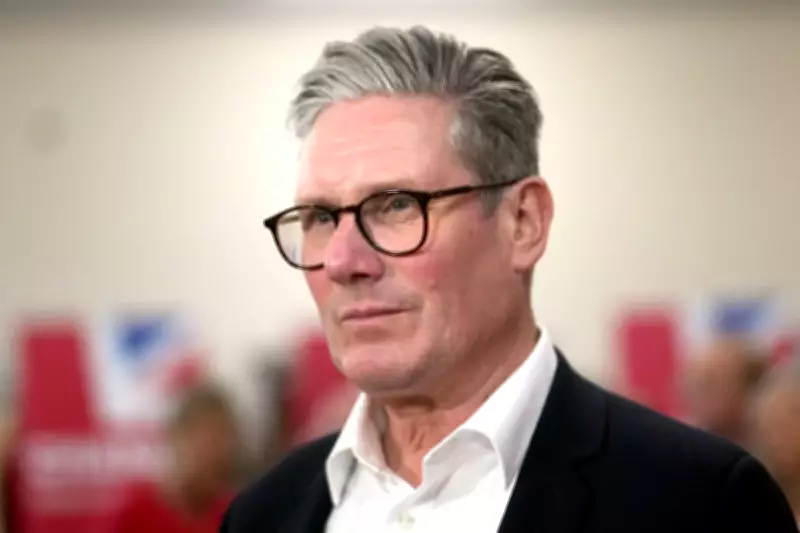
The UK must forge closer trade ties with the European Union to reverse the economic damage caused by Brexit, according to a leading think tank. The Resolution Foundation, which is seen as aligned with Labour, warned that trade with Europe has 'undershot ambition' and urged the government to negotiate a return to the single market for goods.
Economic Impact of Brexit
Economists have noted a significant hit to the economy since the 2016 Brexit referendum. Campaign group Best for Britain estimates damage between £180bn and £240bn so far, while the Office for Budget Responsibility predicts a long-term cost of 4% of GDP. The report comes amid political turmoil, with Prime Minister Sir Keir Starmer's leadership under threat due to weak economic growth, a key Labour pledge from the 2024 election.
Resolution Foundation's Recommendations
The think tank, previously led by pensions minister Torsten Bell, stated: 'Trade is one area where delivery has undershot ambition. There is much more to do, particularly on the UK’s relationship with the EU, where closer integration could deliver material gains. The biggest single step here would be negotiating a single market for goods.' The report also advised slowing public sector pay rises and scrapping the triple lock on pensions, while rejecting plans for increased government spending or higher taxes.

Ruth Curtice, chief executive of the Resolution Foundation, said: 'The government’s appetite for a reset is being driven by terrible election results. But the backdrop of weak growth, and the war in Iran delivering both a £550 blow to family finances and a £16 billion hit to public finances, means it is in everyone’s interest for the country to change economic gear.' She added: 'There is no plausible route to growth in Britain today that doesn’t include sounder public finances, and taking on those who oppose more trade with Europe or more homes in their backyards.'
Opposing Views
Julian Jessop, an independent City economist, criticized the report's EU focus: 'This is mostly a good report, but the throwaway remarks on closer alignment with the EU are little more than arm-waving. The reality is that UK companies still have access to the EU’s single market on relatively favourable terms. The hit to overall trade has been far less than many had feared.'
Reform UK, led by Brexit advocate Nigel Farage, performed strongly in recent local elections, suggesting public skepticism about the EU. However, polling by Best for Britain indicates over half of Britons now support rejoining the EU, with more than 80% of Labour, Liberal Democrat, and Green party supporters in favour.
Long-Term Costs
A Stanford University paper from February described Brexit as 'a rare contemporary example of a major developed economy raising trade barriers and pulling back from international economic integration,' noting that costs have been 'gradual and cumulative.' Another Resolution Foundation report two weeks ago found the UK has the third-highest rate of young people not in work or education among Europe’s richest countries, due to ill-health and a failing benefits system. Only Italy and Lithuania fared worse.






