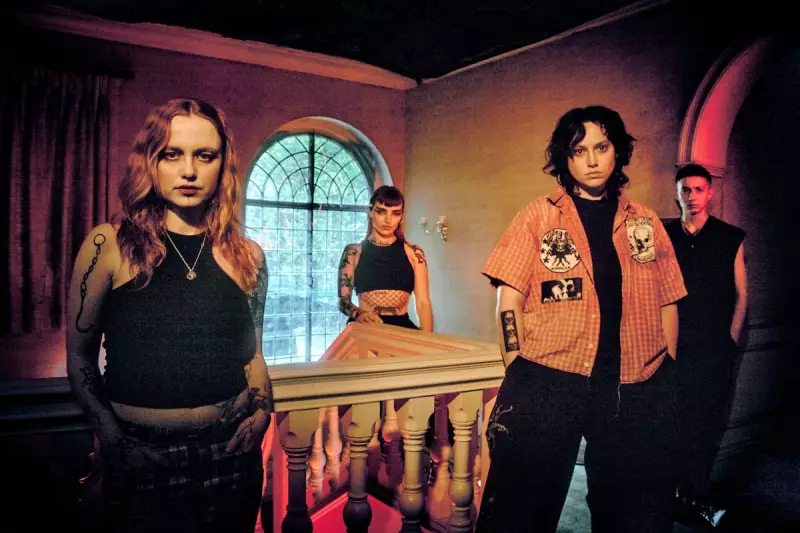
In a stark illustration of the ongoing challenges facing British musicians, the Manchester-formed doom-punk band Witch Fever has been left financially struggling despite completing a high-profile two-month arena tour across the UK and Europe. The group, which supported the renowned act Volbeat, now finds its profits inaccessible, trapped in withholding taxes across multiple European countries.
Brexit's Toll on Touring Artists
Singer Amy Hope Walpole has voiced the band's frustrations, highlighting not only the tax issues but also the difficulty in securing temporary employment between tours. Employers are often reluctant to hire musicians due to their upcoming touring commitments, exacerbating financial instability. This predicament underscores a broader crisis within the music industry, where average musician incomes remain low and the complexities of European touring have intensified post-Brexit.
Industry-Wide Recognition of the Problem
Industry bodies and government ministers have acknowledged that Brexit has rendered European touring 'not economically viable' for many UK artists. Reports indicate that a third of music creators have seen a significant decrease in earnings, with increased costs and administrative hurdles making cross-border performances less feasible. The situation has sparked calls for policy reforms to support the cultural sector.
Broader Implications for UK Music
The struggles of Witch Fever reflect a growing trend among UK bands, who must navigate new regulations and financial barriers when performing abroad. As artists like Iron Maiden's Bruce Dickinson have also complained about Brexit's impact, the need for sustainable solutions becomes ever more urgent to preserve the UK's vibrant music scene.