
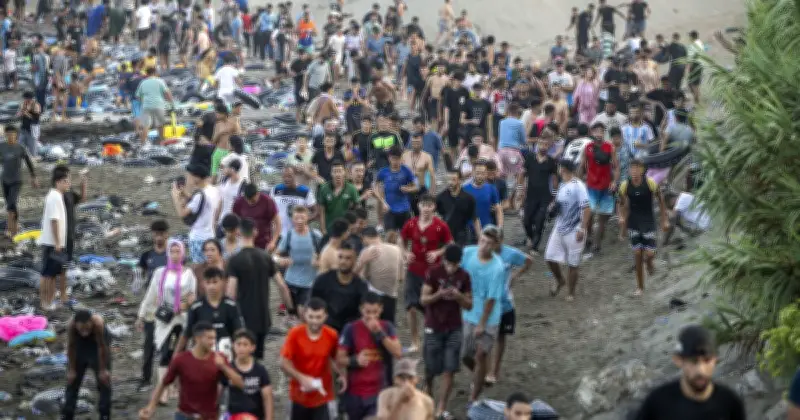
Spain has introduced border checks on travellers arriving from Italy as a dispute between the two EU nations over migration intensifies. The measures, which began at midnight (22:00 GMT), will remain in place until September 7 unless circumstances change.
Background of the dispute
They follow Italy's decision last week to impose similar restrictions on some people arriving from Spain after more than 70,000 migrants crossed the border between Morocco and Spain by swimming to Ceuta in July. Rome said its checks would remain until at least August 15, citing fears of another wave of migration into Spain's North African territory.
Italy said its measures were intended to prevent migrants who entered Ceuta from travelling onwards to Italy. Madrid dismissed the reasoning as "spurious arguments", saying the migrants had no way of entering the Schengen area.
Political tensions
Spain's socialist leader, Pedro Sanchez, had demanded Italy remove its checks by Sunday, but Italy, led by the conservative Prime Minister Giorgia Meloni, said it would not accept "ultimatums" and would not reconsider the decision "under any circumstances" until at least August 15.
The row comes after around 78,000 migrants from Morocco attempted to enter Ceuta last week. Most were returned within days, but around 1,400 minors remain there and about 100 people are believed to have died during the crossing.
Legal and social implications
Spain has not confirmed reports of another planned mass crossing, although social media activity has fuelled concerns. The dispute also follows a Spanish Supreme Court ruling that migrants intercepted at sea while attempting to reach Ceuta or Melilla cannot simply be returned to Morocco.
An unnamed Moroccan government source criticised the ruling, saying that "the deterrent element of the system collapsed and the dam gave way, not under the weight of the criminals, but of a judge's decision".




