
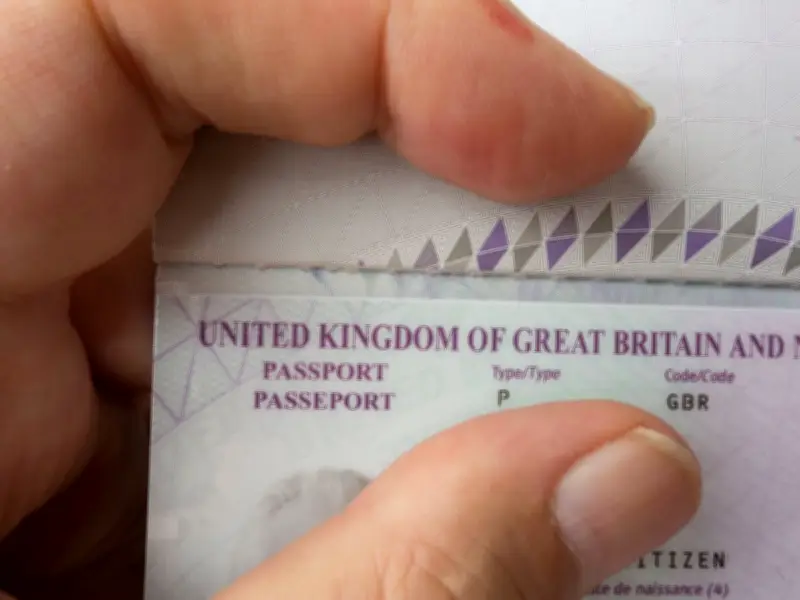
Travel insurance experts at Tiger.co.uk are urging UK holidaymakers to perform seven essential passport checks before heading abroad this year, as new EU rules and the introduction of the Entry/Exit System (EES) could cause delays at the border. The EES replaces passport stamping with facial and fingerprint scanning, potentially lengthening queues.
Passport validity rules for Europe
Travellers to Europe must ensure their passport was issued less than 10 years before the date of entry and remains valid for at least three months after their planned departure from the EU. Under previous rules, UK passports could be issued with up to 10 years and nine months' validity, but EU regulations now only recognise the 10-year limit from the issue date.
While a visa is not required for short stays of up to 90 days in Europe, longer trips call for checking the entry requirements of the destination country and obtaining an appropriate travel permit.
Physical condition and blank pages
Passports must be in good physical condition. Damage to the cover, pages, or the chip may lead to refusal at the border. Travellers should also ensure they have at least two blank passport pages, as those collecting stamps could run out. Frequent travellers can opt for a jumbo passport with 54 pages instead of the standard 34.
The experts highlight that water damage, tears or rips in pages, and peeling laminate over the personal details page are common issues that can render a passport invalid. Even minor damage like smudged ink or discolouration may cause problems.
Child passports and visas
Children's passports are valid for only five years and often expire without parents realising. Parents are advised to check expiry dates early and renew in time to avoid disruption.
For non-European destinations, holidaymakers must familiarise themselves with visa requirements and obtain one if necessary.
Ian Wilson, travel insurance expert and Managing Director at Tiger.co.uk, said: “With passport fees increasing and queues likely getting longer this summer due to the introduction of the EU’s new Entry/Exit System, we urge holidaymakers to carry out essential passport checks now to avoid last-minute hassle and potentially being turned away at the airport.”
He added: “Post-Brexit travel changes are still confusing for many of us, so it’s important for Brits to familiarise themselves with the validity requirements before jetting off to Europe. Travellers also need to ensure their passports are in good physical condition, as things like damage from water or ink, rips in pages and laminate peeling from the personal details page can mean that your passport may not be accepted as a valid travel document.”
Wilson warned: “If you’re denied access to your flight for issues such as an invalid passport, your travel insurance is unlikely to protect you. That’s why it’s so important to double-check these things well in advance of your departure date.”




