
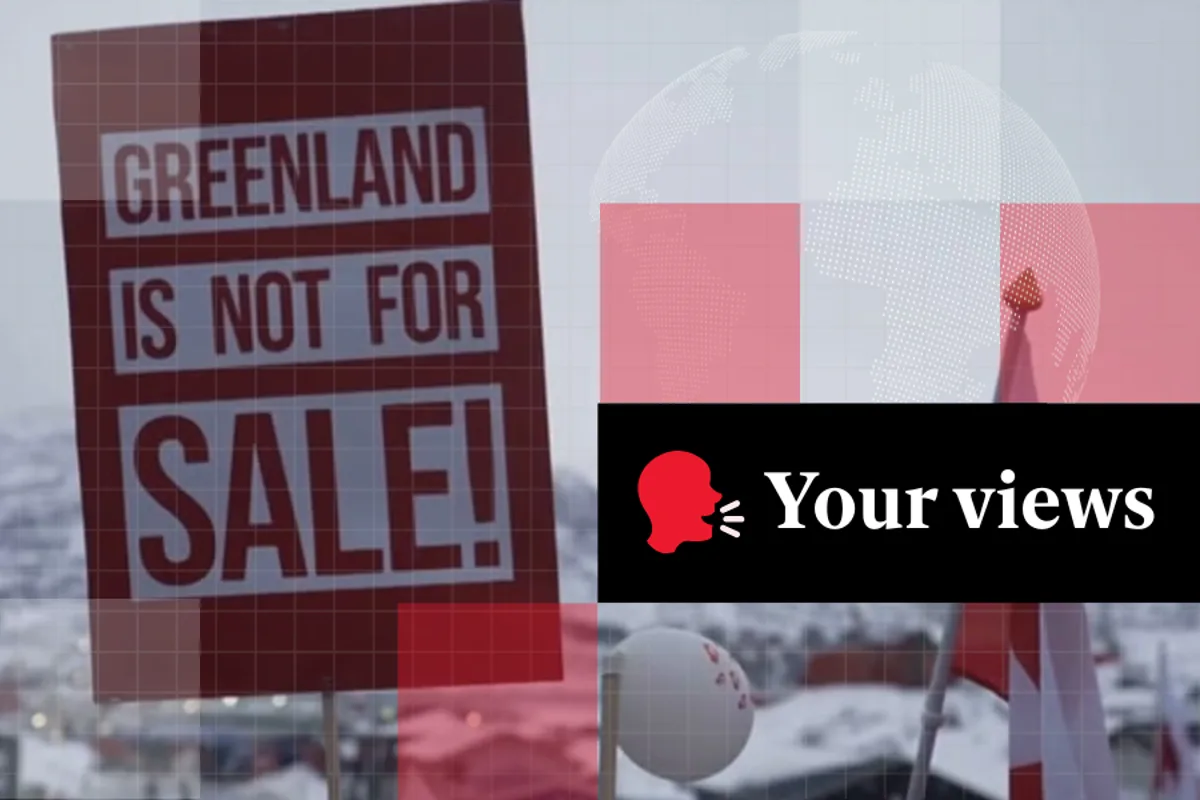
Independent readers were divided in their response to analysis from world affairs editor Sam Kiley, which suggested Donald Trump’s tariff threat over Greenland could mark a pivotal moment for the UK to rejoin the EU. Many commenters backed the central premise, arguing that Trump’s behaviour has exposed the risks of standing alone and underlined the need for Britain to align more closely with European allies.
Supporters of closer integration said the UK and EU must act together in the face of US unpredictability, Russia’s aggression and growing global instability. Several argued that rejoining the single market or customs union would be a pragmatic first step, strengthening economic resilience and diplomatic clout even if full EU membership remains a long-term prospect. Others stressed that EU membership would bolster security indirectly by reinforcing Nato, stabilising markets and reducing the strategic advantage enjoyed by authoritarian powers.
However, critics warned that calls to rejoin the EU disregard the Brexit vote and would be politically toxic. Some dismissed the EU as economically stagnant, undemocratic or irrelevant to defence, arguing that Nato – not Brussels – is the cornerstone of European security. Others questioned the realism of rejoining at all, highlighting the likelihood of lengthy negotiations, tougher terms and demands for political consensus that does not yet exist.
One commenter said: “Now’s the right time to get back together with our allies – Europe, Canada, Australia etc. There’s no other option, unless we want Trump or Vance running our country. Brexit sovereignty looks total nonsense!” Another argued: “Hold an emergency referendum. Make the result binding in law. It will carry a supermajority. Leave areas would become pro-EU. Ironically, they have suffered more on average than Remain areas.”
A sceptical reader countered: “One thing you have to give to the Remainers: their ability to see an opportunity to rejoin a failing venture even in the remotest of events. I wish they would develop the ability to respect democracy.” Another warned: “MPs in the North will lose their seats if they advocate rejoining the EU.” A more pragmatic view noted: “We can’t ‘rejoin the EU’. The best we can do is apply and hope the EU looks kindly on us, but the Trump problem is upon us right now, whereas renewed EU membership will be some years off.”




