

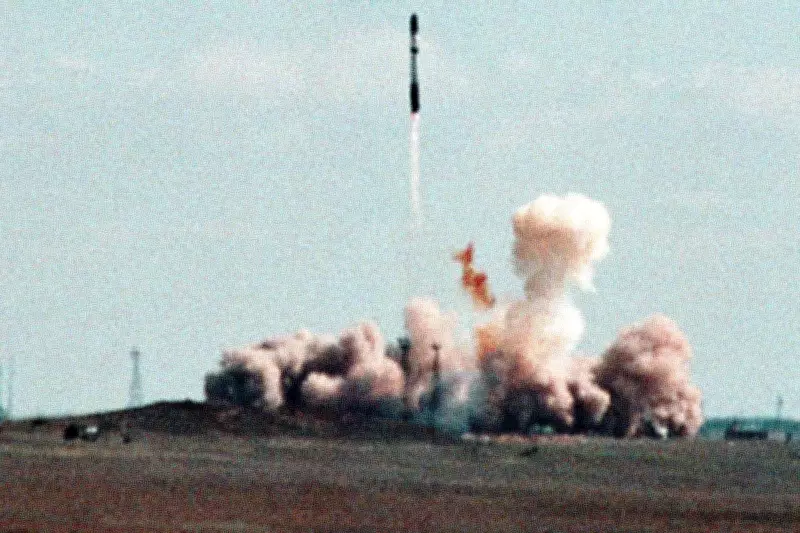
Russia has successfully test-fired its new intercontinental ballistic missile, the Sarmat, a move that President Vladimir Putin has hailed as essential for modernising the nation's nuclear capabilities. The nuclear-armed Sarmat, designated 'Satan II' by Western nations, is touted by Putin as the world's most potent missile, designed to replace the Soviet-era Voyevoda and enter combat service by the end of the year.
Unprecedented Range and Capabilities
The Sarmat missile is reportedly capable of suborbital flight, offering a range exceeding 35,000 kilometres and an enhanced ability to bypass future missile defence systems. However, these claims have not been independently verified. If accurate, the missile could strike targets as far as South America, making it a formidable addition to Russia's strategic arsenal.
Modernisation of Russia's Nuclear Arsenal
This test is part of Russia's extensive programme to upgrade its nuclear arsenal, a development that has spurred the United States to initiate its own substantial modernisation of atomic weapons. Since 2000, Russia has been steadily enhancing its nuclear capabilities, with the Sarmat representing the latest advancement.

Arms Race Concerns
The recent expiration of the final nuclear arms treaty between Russia and the US in February has heightened fears of an unchecked nuclear arms race. Putin has framed Russia's new weapon developments as a response to the US missile shield, escalating tensions between the two nuclear superpowers. The international community watches closely as both nations pursue modernisation, raising questions about global security and the future of arms control.






