PM Defends Cost of Joining EU's £78bn Ukraine Loan Scheme
PM Defends Cost of EU Ukraine Loan Scheme

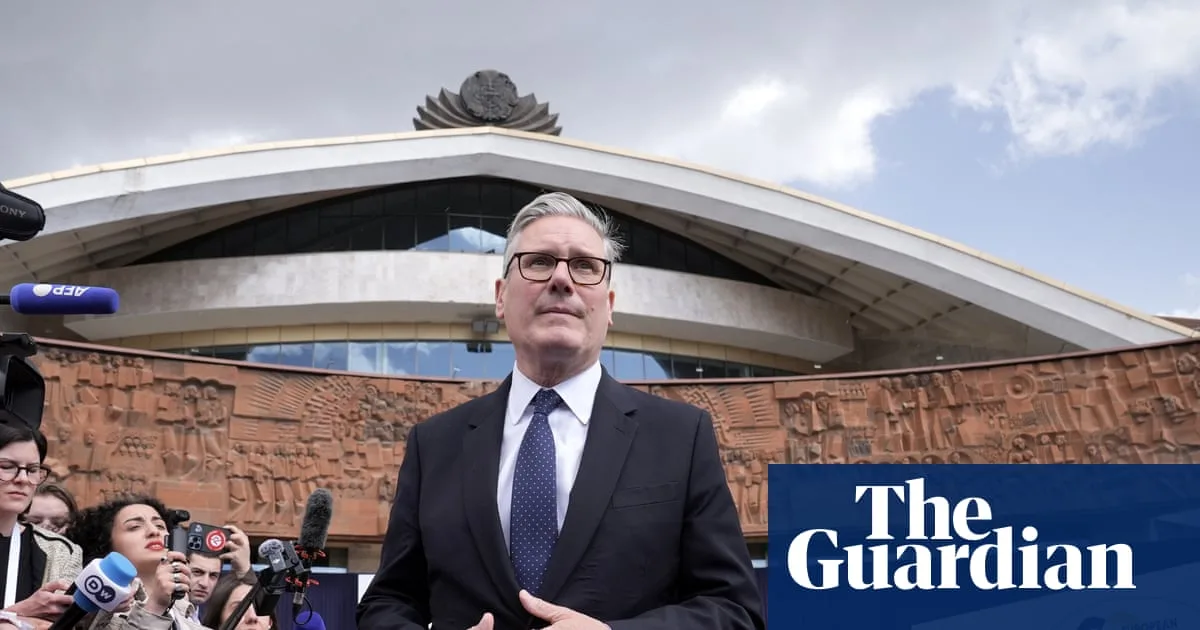
Prime Minister Sir Keir Starmer has defended the United Kingdom's potential participation in the European Union's 90 billion euro (£78 billion) loan scheme for Ukraine, asserting that the benefits outweigh the costs. Speaking at the European Political Community summit in Yerevan, Armenia, on Monday, Starmer emphasised that UK involvement is in the national interest and would stimulate domestic job creation while supporting Kyiv.

National Interest and Job Creation

Starmer stated that joining the loan initiative, which was recently approved by the EU after Hungarian elections ended a prolonged deadlock, aligns with his government's broader reset with Brussels. When pressed on reports that Britain might be required to pay up to £1 billion annually for enhanced single market access, the Prime Minister redirected focus to the specific advantages of the Ukrainian scheme.

“It’s in our national interest to be closer to Europe,” Starmer told broadcasters. “Whether that’s the EU loan scheme, which we are discussing with them, that’s of great benefit to Ukraine, but it’s also a great benefit to the United Kingdom as well, in terms of the jobs that it will create in the United Kingdom. So the benefit there outweighs the cost.”

Wide Pickt banner — collaborative shopping lists app for Telegram, phone mockup with grocery list

Resetting Relations with Brussels

Starmer used the summit to advocate for closer ties with the EU on defence, security, and economic matters, as well as to sell his reset agenda to UK voters ahead of local elections later this week. The Times reported that European negotiators have indicated the UK would need to make annual payments of around £1 billion as a condition for greater single market access, a prospect Starmer has previously expressed interest in.

However, EU relations minister Nick Thomas-Symonds dismissed the reported figure, telling BBC Radio 5 Live: “No, I’ve not come across, don’t recognise that figure. It is always about… those two principles – national interest, value for money – and that’s how I’ll continue to judge it.”

Geopolitical Tensions and Defence Commitments

During the summit, Starmer highlighted heightened tensions between the United States and Europe, particularly regarding Donald Trump’s criticism of NATO allies and his plans to withdraw 5,000 troops from Germany. The Prime Minister warned that some longstanding alliances are under strain, urging European nations to bolster their defence capabilities.

“We cannot deny that some of the alliances that we have come to rely on are not in the place we would want them to be,” Starmer said in the plenary session. “There is more tension in the alliances than there should be, and it’s very important that we therefore face up to this as a group of countries together.”

He later told reporters that Europe must step up its defence and security commitments, noting that while the UK works closely with the US, European countries need to do more. “Have a stronger European element of NATO, if you like. When you’re facing a war on two fronts, Ukraine and Iran, that’s having such a profound impact on our own country, on households across the whole of the United Kingdom, it’s really important we move at pace on that.”

Domestic Challenges and Defence Spending

Starmer’s trip to Yerevan comes as Labour braces for potential losses in the local elections. Meanwhile, former military chief General Sir Richard Barrons, co-author of the government’s strategic defence review, warned that the Ministry of Defence has gone “backwards” since last June and lacks funds for new weapons until 2030. He told The Times that a lack of investment is “depleting” the industrial base and driving defence companies overseas.

In response, Starmer highlighted that defence spending has been increased to 2.6% of GDP, the largest sustained rise since the Cold War, and reiterated commitments to NATO, with a defence investment plan being finalised.

Pickt after-article banner — collaborative shopping lists app with family illustration

Conservative Reaction

Conservative leader Kemi Badenoch criticised the government’s approach, stating that her party had led support for Ukraine without needing an EU scheme. She said, “We heard from General Sir Richard Barrons today, we’ve gone backwards on defence since last year. That is a disgrace at a time when there’s not just a war in Europe, but also war in the Middle East. What the Government needs to do now is produce a defence investment plan, otherwise everything else is just more talking, more meetings, more summits and not enough action.”

The debate over the Ukraine loan scheme and broader EU relations underscores the ongoing political divisions in the UK as the government seeks to navigate post-Brexit ties with Europe while addressing domestic and international security challenges.




