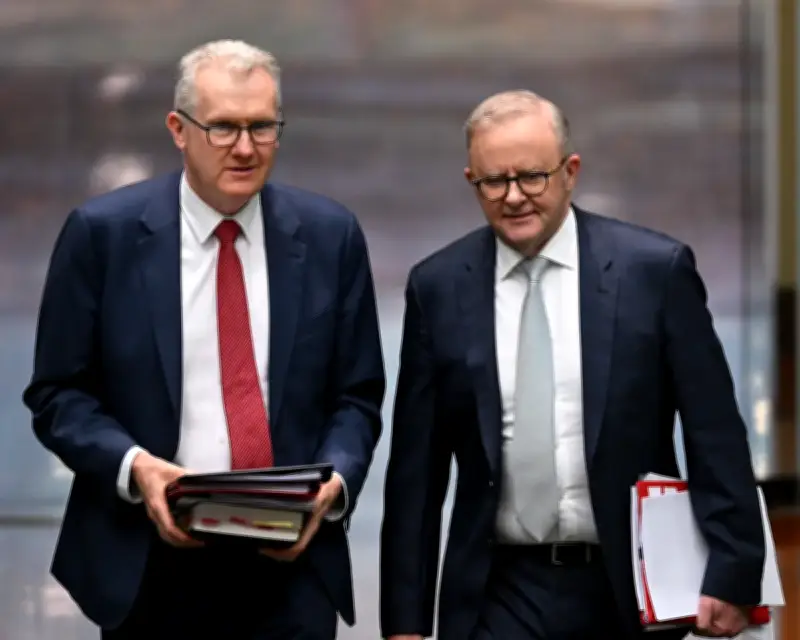
The Albanese government's decision to pull out of a planned National Press Club speech on immigration policy suggests an unusually difficult issue for the government, as Labor faces an insurgent One Nation and struggles to hold onto suburban and regional seats.
Cabinet Divisions and One Nation's Rise
The home affairs minister, Tony Burke, had intended to announce a new policy at the speech, but pulled out, indicating more than one opinion in cabinet on immigration policy. One Nation, attracting three in 10 voters in some polling, blames immigration levels for most of the country's ills.
Labor has always had a divided soul over immigration. Historically, it was the low immigration party, seeing migrant workers as a threat to wages and jobs. Fear of labour competition trumped white solidarity or imperial brotherhood.
Historical Context
Labor did not invent the White Australia policy, but it was its most fervent supporter. The desire for security against being 'swamped' provided context for 'populate or perish' for 70 years after federation in 1901. Full employment in 1942 and the prospective Japanese invasion tipped the balance away from its traditional stand.
The first immigration minister, Arthur Calwell, pretended migrants would be overwhelmingly British. Many were, but most in the 1950s were not, opening the way for a more diverse intake.
Postwar Consensus and Its Decline
The late historian John Hirst suggested old Australia's settler culture inclined to polite overlooking of difference for social peace. After the war, the long economic boom, demand for unskilled labour, and government housing policies underpinned a successful immigration program. When those conditions disappeared from the mid-1970s, so did the consensus.
Labor was initially at the forefront of cuts to overseas arrivals during the Whitlam government. The closest to restoring consensus was the early Howard era, when increased migrant numbers during economic buoyancy did not provoke backlash, partly due to a stringent approach to asylum seekers.
Current Political Landscape
Today, the perception that Labor is a party of high immigration and careless border administration aligns with the idea it is a cosmopolitan party out of touch with ordinary working people. The Albanese government has recognised the danger, with One Nation eyeing off seats in suburban and regional Australia, and the Coalition aping anti-immigration rhetoric.
There are parallels with Labor's change of direction in the mid-1940s, but today rivals scramble to make hay of the issue rather than a consensus. Which path Labor takes will likely define its identity for years to come.