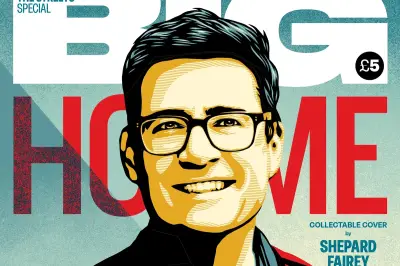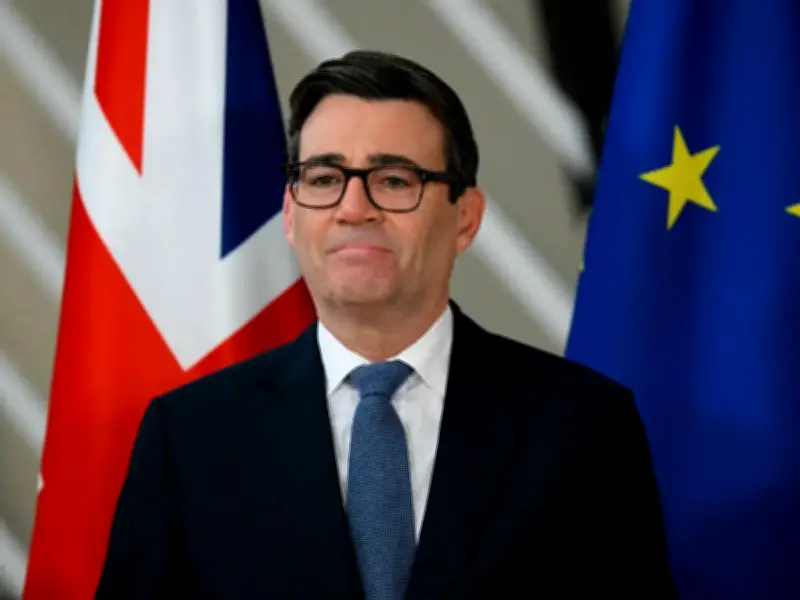
Prime Minister Andy Burnham is reportedly considering a long-term return of the United Kingdom to the European Union, according to allies. The news comes as he tells the country that the next 12 months will be spent "brainstorming" future ties ahead of a December 10-year plan.
After striking a deal that marks the biggest step towards the trade bloc since before Brexit, Andy Burnham has paved the way for Britain to forge closer ties with the European Union (EU). The Times reports a senior ally as saying simply: "He wants to rejoin."
Brainstorming the Future Relationship
The Prime Minister said the next 12 months would be spent "brainstorming" ideas with the EU for the future relationship between the UK and the bloc. Incremental steps "only take us so far", Mr Burnham said, and suggested the package agreed with Brussels was "probably the limit" of what could be achieved before the next general election. The Prime Minister is expected to set out his view on the options as part of his 10-year plan which will be unveiled in December.
On Friday, Mr Burnham made three significant agreements with the EU in the Belgian capital. A food trading deal, officially known as a sanitary and phytosanitary (SPS) agreement, will end most post-Brexit checks and restrictions on food and agricultural products from March 1, 2028.
Key Agreements and Stumbling Blocks
An emissions trading system (ETS) agreement, applied from the start of 2028, will mean that £6.5 billion of British exports, including those from the steel and aluminium industries, will be exempt from EU carbon border taxes. A youth experience scheme will allow UK and EU citizens aged 18 to 31 to live and work in each other's jurisdictions for up to three years, with 100,000 visas available each year.
The first young people to travel under the scheme will do so "no later than January 2030", according to Government documents. A potential stumbling block remains over the issue of the tuition fees charged to students from the EU in British universities.
A six-month deadline has been set to reach agreement after EU member states called for their students to be charged the same rate as British counterparts. That would mean a cut from fees of up to £38,000 a year to £9,970 – something the UK has resisted because of the financial impact on universities.
The row led to doubts being raised in Brussels about whether the rest of the deal could be implemented, though Mr Burnham insisted there was "no confusion" about it. Elsewhere, the UK and EU agreed a new "structured dialogue" on migration and closer work on the Channel action plan, intended to combat the people-trafficking operations behind the small boats crisis.
Political Reactions
European Council president Antonio Costa said the bloc was "open to having the closest possible relationship" with Britain, but stressed the EU's commitment to the single market's rules, which include freedom of movement. Mr Burnham's political opponents were less welcoming of the deal, with Reform UK leader Nigel Farage suggesting the Prime Minister had gone "completely against" a pledge he made to voters in the Makerfield by-election not to re-run Brexit arguments.
Conservative leader Kemi Badenoch, meanwhile, warned the youth experience scheme risked making the competition for jobs fiercer. Writing in the Daily Mail, former Tory minister Michael Gove wrote: "The 'deal' he concluded with the European Union yesterday takes Britain backwards – back to more migration from the EU, back to the EU setting rules for British businesses we can't veto, back into the interminable process of seeing Brussels expand its reach into all our lives."
The Times reported that the Prime Minister is determined to return the UK to the EU. Someone described as a senior ally of Mr Burnham told the newspaper: "He wants to rejoin. That's the truth of it. He feels it very deeply and thinks he is on the right side of public opinion. The idea that this is being driven by anyone other than him or it's just clever positioning or tactical is wrong. It's just what he believes."