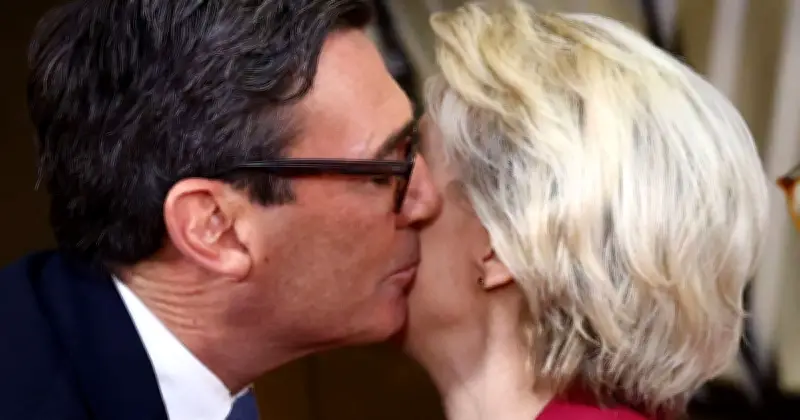
Andy Burnham has signed a “reset” deal with the European Union in Brussels that will see Britain follow EU food and farming rules as they change, with the Government admitting those rules will be made in Brussels and will not be subject to a vote in the UK.
The Treasury’s own analysis suggests the deal will add just 0.4% to GDP over 10 years. Even David Lammy, who wants Britain back in the EU, has reportedly dismissed the benefits as “small beans”.
EU Demands Student Fee Cuts
Before the handshakes and photographs were completed, the EU slipped in an additional demand: cut the fees EU students pay at British universities to the level that UK students pay, within six months. The article describes this as “like doing a deal with the mob”.
The price of the deal, as reported, is that ministers will present it as a bit of paperwork, but it is nothing of the sort. It is the price of the deal, and the bill has simply been posted.
Impact on Students and Youth
Graduates in England now leave university owing around £53,000 on average. The article questions how it can be fair to hand cheaper fees to foreigners and deprive universities of a vital source of income that EU students are content to pay.
This comes just three days after Alan Milburn’s review warned that nearly a million young Britons are not in education, employment or training. The Government has agreed to let up to 100,000 young Europeans a year come to live and work for up to three years, competing for the same entry-level jobs.
Reactions and Concerns
Mr Burnham welcomed the deal, calling it a “really good day for the young people of Britain”. He added: “Finally, there’s some hope on the horizon in the opportunity we have given them between us to work, train and study, in Europe.”
However, the youth scheme may not be up and running until January 2030. Speaking outside the talks, Reform UK’s Richard Tice said the Government was handing control “to the bungling bureaucrats of Brussels”. Later, Nigel Farage told the reporter that “the biggest democratic vote in history is being undone by a man with no mandate”.
The article concludes that the answer to Britain’s problems was never to hand back the pen, but to use the freedom voted for.