Prime Minister Andy Burnham has promised that a major UK-EU deal will ease pressure on the weekly shop, telling the Mirror he is confident supermarkets will pass on savings from 2028 as part of the agreement to cut red tape on post-Brexit checks.
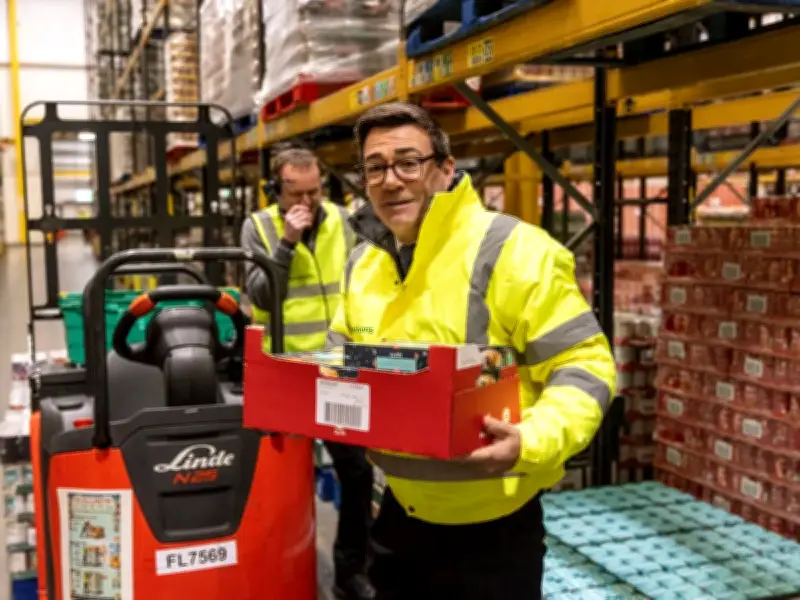
Speaking during a visit to a Morrisons distribution centre in Sittingbourne, Kent, Mr Burnham urged the public to listen to major supermarket brands that have said the deal will help ease costs, rather than a "procession" of former Conservative Prime Ministers criticising his stance.
Supermarkets Back the Deal
Over the weekend, Theresa May and Rishi Sunak both urged their Labour successor in No10 to avoid a long-term discussion over the future of the UK-EU relationship. However, Mr Burnham hit back at the former PMs, saying: "They basically took decisions that I think left us in this position. And they're trying to defend something that is a status quo that I don't think is defensible. It's not good enough for a country like Britain."
During his visit, Mr Burnham said: "They [Morrisons] say the deal that we've agreed with the European Union will lift the pressure off the weekly shop. I've just been given a stack of paperwork in the canteen which shows what has to be filled in to send shipments to the store that they have in Gibraltar. I mean, clearly, that just racks up the cost, and obviously, in the end, that gets passed on to consumers. It's very clear to me that if we remove this red tape, we will lower the cost of the weekly shop, and that has got to be good news for British consumers."
Timeline for Savings
A food deal reached last week with Brussels, officially known as a sanitary and phytosanitary (SPS) agreement, will end most post-Brexit checks and restrictions on food and agricultural products from March 1, 2028. Pressed on when the help would come, the Prime Minister said: "It will take time to come through. We've just got to get the bill through Parliament first, but from 2028, the benefits will begin to be felt by British businesses and British consumers."
Asked whether he was confident the big supermarkets would then bring down the cost for their customers, he replied: "Yeah, of course. It's a competitive world, and it will just take one to bring down the cost and then others will as well. So they're all saying a very similar thing, and I would like to thank them all for coming out and being so plain about it—that this will help take pressure off the weekly shop. And Morrisons, Lidl, Asda, Co-op, they've all said something similar. And I would listen to those big British names."
He added: "And some of the big British names who are our former Prime Ministers, who are saying — well, we have a procession of them, don't we? Theresa May at the weekend and others saying, 'Oh, don't open it up, don't go back, it's done' and turn away. I think it's because they know that this was a bad deal, that they just don't want to face up to that fact. They damaged the national interest with the Brexit deal that they did. This isn't about rejoining; this is about getting a better, working, practical relationship — a closer relationship with Europe — to bring benefits to British businesses and British consumers."
Mr Burnham concluded that the Conservative Party cannot face up to the deal and cannot support it, noting: "They used to be in favour of scrapping red tape for businesses; they used to be in favour of cutting costs for consumers. But seemingly no longer, because they are just trapped in this internal Brexit debate in their own party."