

Alberta Separatists' Covert Meetings with Trump Administration Ignite Political Firestorm
Secret discussions between far-right Alberta separatists and officials from Donald Trump's administration have plunged U.S.-Canada relations into a new crisis, with Canadian politicians accusing the group of treason and demanding respect for national sovereignty. The Alberta Prosperity Project (APP), a right-wing organization advocating for the province's independence from Canada, engaged in meetings with U.S. State Department representatives throughout 2025, a revelation that has shocked Ottawa and intensified diplomatic tensions.
Treason Accusations and Sovereignty Concerns
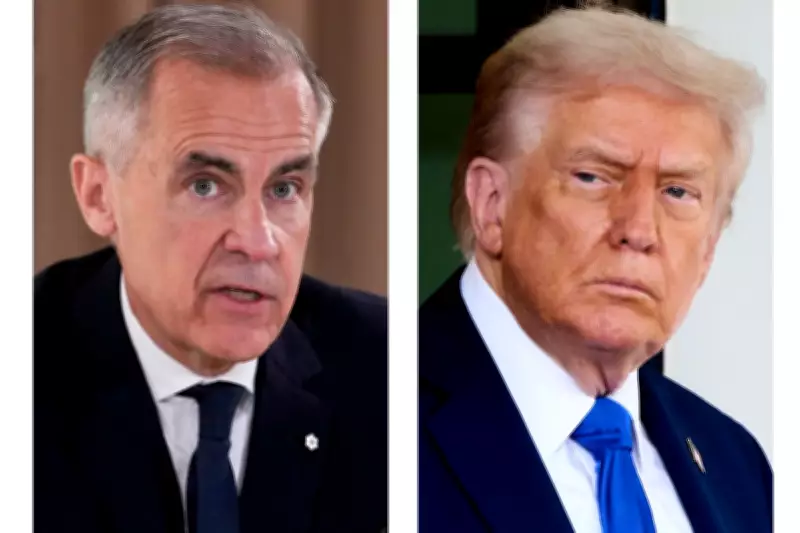
Canadian Prime Minister Mark Carney swiftly condemned the covert talks, insisting that the United States must refrain from meddling in Alberta's independence movement. At a recent press conference, Carney declared, "I expect the U.S. administration to respect Canadian sovereignty." British Columbia Premier David Eby escalated the rhetoric, labeling the APP's actions as treasonous in an interview with CBC. "If you are crossing a border to seek the support of a foreign government to break up our country... that is the definition of treason," Eby asserted, highlighting the severe implications of foreign involvement in domestic secessionist efforts.
Financial Allegations and Denials
According to a Financial Times report, the APP allegedly sought a staggering $500 billion line of credit from the U.S. Treasury to fund the establishment of an independent government following a prospective referendum. However, APP CEO Mitch Sylvestre vehemently denied these claims in a conversation with The Independent, stating, "We're not in a position to negotiate a half billion dollar line of credit with anybody." Sylvestre argued that such allegations were exaggerated by political opponents to discredit the group by falsely painting it as seeking to join the United States as a 51st state, rather than pursuing genuine independence.

Ideological Alignments and Divergences
The APP's platform shares notable similarities with Trump's MAGA movement, emphasizing local control over Alberta's lucrative oil and gas industries, which the group claims are unfairly restricted by federal policies. The organization also criticizes Ottawa for promoting "wokeness, cancel culture, critical race theory, and the rewriting of history." Sylvestre has publicly endorsed "Replacement Theory," the belief that white populations in Western nations are being displaced by other races. Despite these alignments, the APP diverges from MAGA on issues like birthright citizenship, with Sylvestre advocating for citizenship limited to those born in Alberta, a stance contrasting with Trump's efforts to abolish birthright citizenship in the U.S.
Geopolitical Motivations and Trade Tensions
Sylvestre suggested that the State Department's interest stemmed from fact-finding missions regarding the legal pathways to secession, as the APP approaches a May 6 deadline for referendum signatures. However, broader geopolitical factors likely influenced the talks. Both the APP and Trump administration express deep skepticism toward Canada's strengthening trade relationship with China, which has deteriorated U.S.-Canada trade ties. Trump has threatened imposing 100% tariffs on Canadian exports if Ottawa signs a new agreement with Beijing, a move Sylvestre criticized, questioning why Canada would prioritize ties with communist China over partnerships with the U.S., given shared language and values.
Broader Implications for U.S.-Canada Relations
These covert meetings occur amid escalating tensions, including Trump's threats to alter NORAD agreements and his ambitions to acquire Greenland, which have strained alliances with NATO members like Denmark. The APP's endeavors may represent a strategic effort by the U.S. to pressure Prime Minister Carney on multiple fronts, from trade disputes to territorial ambitions. Trump's second term continues to be marked by a willingness to dismantle foreign policy norms and reshape the global political landscape, with Canada experiencing the direct impact of Washington's assertive new approach. As diplomatic relations hit a historic low, the fallout from these secret talks underscores the fragility of sovereignty in an era of great power rivalry.






