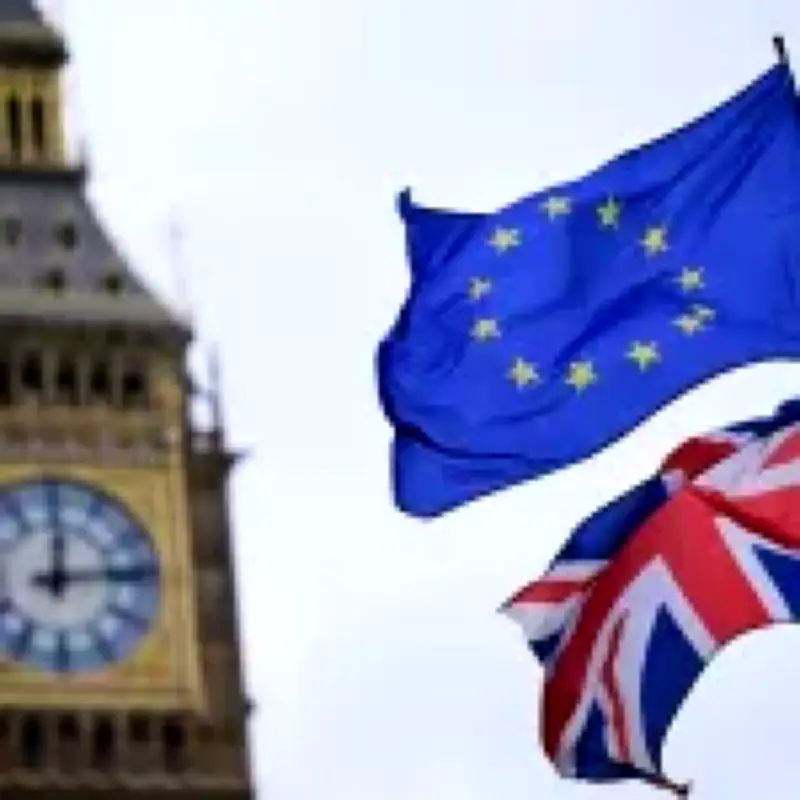
Two-thirds of Londoners now wish the UK had never left the European Union, according to new figures released by the Mayor of London as the UK-EU summit gets under way in Brussels.
Sadiq Khan's office said 64% of Londoners believe departing from the bloc made the capital worse off. The figures come as Prime Minister Andy Burnham arrives in Brussels vowing to negotiate on youth mobility, food and re-linking British industry with the EU. He has held out on the possibility of rejoining but said 'the hard Brexit we were given is not good enough for Britain'.
Despite the polling, the Conservative Party has revealed staunch Brexiteer James Cleverly as its candidate for the London Mayor elections in 2028.
Impact on hospitality and staffing
Bar owners across the capital said the biggest impact of Brexit was on staffing. The removal of freedom of movement meant young people from the bloc stopped coming to London to work and study, leading to a sudden drop in people willing and able to work shifts at bars and clubs.
Andy Kerr, who owns a number of cocktail bars in the capital, said: 'It has taken a while to get back to normal. Finding the right, skilled, staff was very, very difficult.' More time and money was put towards training people, as well as dealing with the new alcohol import tax. Wetherspoons, owned by one of the faces of Brexit Tim Martin, started selling 'Strika Bombs' to replace Jaegermeister, which is imported from Germany.
Jeremy Joseph, owner of Heaven nightclub, told Metro: 'I hope Andy Burnham has the backbone to lead us into another referendum. Brexit has had a knock-on impact. There are fewer tourists; people aren't coming and spending as much and costs have gone up dramatically.'
A changing high street and housing market
After Brexit, the number of migrants from Western Europe fell, but the number of people moving from elsewhere in the world spiked. Boris Johnson introduced a points-based system, which saw 4.2 million people granted visas or asylum status between 2021 and 2024, as well as their dependents. Most of the migrants came from India, Nigeria, China and Pakistan, according to the Migration Observatory.
Dr Gregory Thwaites, from the University of Nottingham, said: 'Migration didn't end when we left the EU, it just came from different places. Western European migration declined while South Asian migration rose. So the high streets could look very different. Think less Indian takeaway and more delicatessens.'
According to City Hall analysis, hospitality and retail make up around half of London's economic output, but employment in these sectors is around 20% lower in the UK compared to countries in the EU.
Before Brexit, the capital had seen skyrocketing house price growth, increasing by 92% between 2006 and 2016. Research by Savills shows the average value of homes in the capital rose by only 9% compared to 40% in the rest of the UK after the referendum. Yet homeownership remains a distant dream for many Londoners, as the global financial crash in 2008 has come back to haunt the capital's house market. Younger generations have never stood a chance to buy a home in London, with cladding scandals following the Grenfell fire exacerbating tenancy issues.