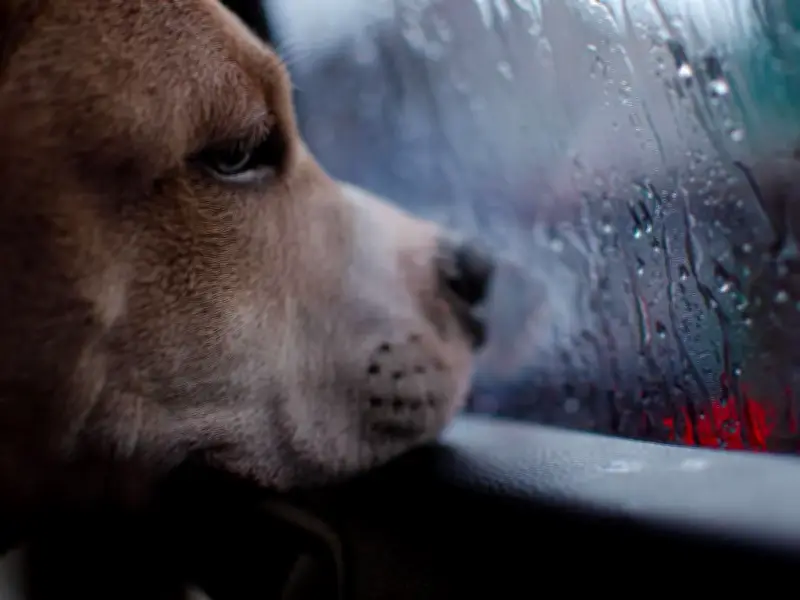
As temperatures drop and daylight hours shorten, many people experience the 'winter blues' or seasonal affective disorder (SAD), but the question of whether dogs can be affected by seasonal changes is one that concerns many pet owners.
Jimmy Bratley, veterinary advisor for Adaptil, has provided expert guidance on how winter affects dogs and practical recommendations for pet owners during the colder period.
Do dogs get seasonal depression?
Bratley explains that while humans are known to suffer from SAD, there is no scientific evidence to suggest dogs experience the same condition. Reduced exposure to natural light is thought to be one of the main causes of seasonal affective disorder, and it is possible that dogs rely on natural light in the same way as humans to maintain their mood and energy levels, although this is not known for certain.
However, this does not mean pets are unaffected by the winter season. The change in weather leads to alterations in a dog's routine, including exercising at different times of day or in wet, cold conditions. This can be stressful for dogs in winter and might account for any seasonal changes in their mood or behaviour.
Signs your dog is feeling the winter blues
Owners worried about their dog's response to the changing season should look out for several behaviours, including decreased enthusiasm for playing games or engaging with their owner, seeming lethargic and sleeping more than normal, a noticeable change in appetite, and behaving differently such as being less able to settle.
If significant shifts in a dog's behaviour are observed, advice should be sought from a vet to rule out any underlying medical conditions or discomfort. It is also worth bearing in mind that every dog has its own distinct personality - some may naturally be more lively while others are more relaxed. Understanding what brings a dog joy and ensuring those things remain consistent, particularly throughout the winter months, should be a priority for any responsible dog owner.
Tips for supporting your dog during colder months
Mental and physical stimulation is a well-established mood-booster for pets. Dogs in winter may spend less time outdoors, so introducing indoor activities such as scent games, hidden treats, or puzzle feeders can prove highly effective in keeping an anxious dog occupied and content.
Social interaction is also important. Dogs are remarkably sociable animals that form deep bonds with their families, and even during hectic winter periods or the festive season, owners should ensure they are dedicating quality time together and enjoying positive interactions. Owners' moods can impact dogs too, as dogs are empathetic creatures that can frequently reflect human emotions.
Bratley adds: "If you do notice any significant change in your dog's behaviour, don't just put it down to the season. It could be that there is an underlying medical issue affecting your dog, like a hidden pain resulting in a 'low' mood. In these situations, it's always best to consult with your vet."