
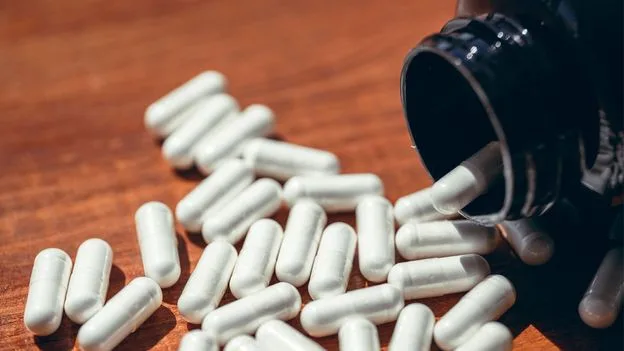
Collagen supplements may not live up to the hype, according to experts. Despite being marketed as a miracle cure for wrinkles and joint pain, the scientific evidence remains weak.
Collagen is the most abundant protein in the body, but its production naturally declines with age. Supplements have become a booming industry, with some enthusiasts like tech entrepreneur Bryan Johnson taking 25g daily. However, research is limited, and the main risk may be wasting money.
Registered dietitian Andrea Soares explains that collagen is only found in animal connective tissue, and 'vegan collagen' products contain only boosting ingredients, not actual collagen. She advises opting for powders or liquids with at least 5-10g per dose, avoiding tablets and gummies which often have less collagen and added sugars.
In the European Union, no health claims for collagen supplements have been approved. Leng Heng of the European Food Safety Authority says claims about skin elasticity or joint function lack sufficient high-quality evidence. Many studies are funded by supplement companies, raising concerns about bias.
Rheumatologist David Hunter notes that while hydrolysed collagen is better absorbed, overall evidence for benefits is weak. Consumers should be cautious of marketing claims and focus on a balanced diet rich in protein and vitamin C to support natural collagen production.




