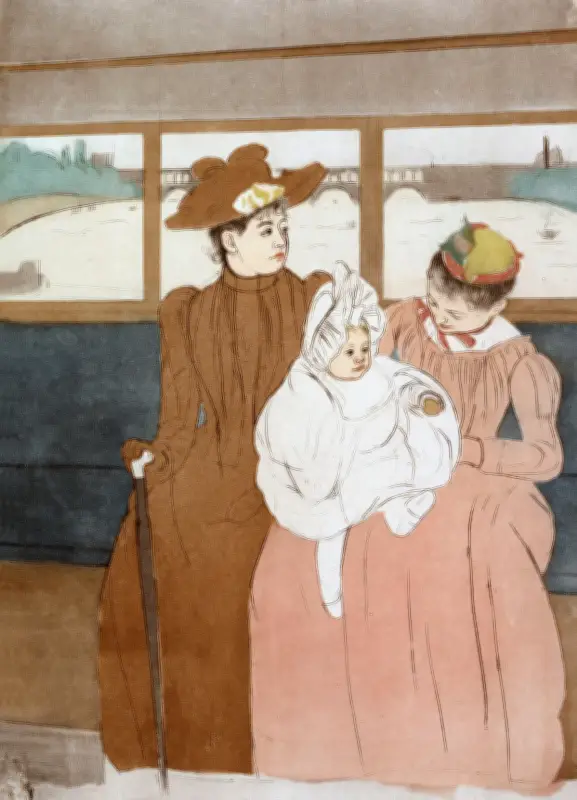
Eleanor Gordon-Smith advises a reader who is happy for her pregnant best friend but anxious about being asked to babysit, given her past experiences of being told, not asked, to help as a teenager.
Addressing the Fear of Repeating Old Patterns
The reader explains that she was not asked but told to babysit a lot as a teenager, which has left her with issues she needs to work on. She worries about how to respond if her friend asks her and her fiancé to babysit, and how to remain supportive without seeming like a jerk.
Gordon-Smith acknowledges the reader's trepidation, noting that the imposing pattern from her adolescence has not actually repeated yet. Her friend has not asked her to babysit, and it is unknown whether she will.
Children Are Individuals, Not Just Babies
Gordon-Smith points out that the reader does not yet know she is "bad" with this particular child. She emphasizes that children are people, with as much variation between them as among adults. This new person will be a particular individual, not just "a child," and the reader may grow to know and have a relationship with them.
She suggests that the fear of the pattern repeating can itself cause the pattern to repeat. By guarding against feeling trespassed on or unnatural with the baby, the reader may approach this new chapter from a place that brings about what she fears.
Being a Supportive Friend
Gordon-Smith suggests one way to be supportive is to approach the child with curiosity and openness, leaving space for what may come. Another is to become an anchor to the part of her friend's life that existed before parenthood, offering a relationship that does not revolve entirely around the baby.
She recalls a friend saying that everyone comes to see the baby, but she wants at least one person to come to see her. The reader could be that person, helping her friend find connections to life outside the baby, without needing to coo over the infant.