Applying Sunscreen: How Much You Really Need for Full Protection
Sunscreen Application: How Much You Really Need

You Are Likely Using Too Little Sunscreen

Not so long ago, people like my Aunt Muriel viewed sunburn as an unavoidable step toward achieving a "good base tan." She would apply baby oil liberally and use a large reflector to intensify the baking process. When the inevitable burn and peeling occurred, her mantra was: "Beauty has its price."

She was correct about the price, but it proved far higher than we understood at the time. What sun enthusiasts did not realise was that we were setting our skin up for damage to its structural proteins and DNA. This leads to wrinkles, liver spots, and cancers. Regardless of your complexion on the Fitzpatrick Skin Type scale, ultraviolet radiation (UV) from the sun or tanning beds will harm your skin.

Today, awareness of UV risks has driven scientists, including myself, to investigate cellular responses to sun exposure and develop modern methods to prevent damage.

Wide Pickt banner — collaborative shopping lists app for Telegram, phone mockup with grocery list

What Happens When Sunlight Hits the Skin

Sunlight consists of energy packets called photons. The visible colours we perceive are relatively harmless to skin, but ultraviolet (UV) photons cause damage. UV light divides into two categories: UVA (320–400 nanometres) and UVB (280–320 nm).

Our skin contains molecules that absorb UVA and UVB photon energy, becoming energetically excited. To release this energy, these molecules undergo chemical reactions that have biological consequences in the skin.

Some effects were once considered beneficial adaptations but are now recognised as damage. Tanning results from extra melanin pigment induced by UVA rays. Sun exposure also activates the skin's natural antioxidant network, which neutralises reactive oxygen species (ROS) and free radicals; if unchecked, these cause cellular damage and oxidative stress.

UVA light penetrates deeper than UVB, destroying collagen, a structural protein. As collagen degrades, skin loses elasticity and smoothness, leading to wrinkles. UVA is responsible for visible signs of ageing, while UVB primarily causes sunburn. Think "A" for ageing and "B" for burning.

DNA itself absorbs both UVA and UVB rays, causing mutations that, if unrepaired, can lead to non-melanoma (basal cell carcinoma, squamous cell carcinoma) or melanoma skin cancers. Other skin molecules transfer absorbed UV energy to ROS and free radicals, overwhelming the skin's antioxidant defences and causing cellular damage. ROS can react with DNA, forming mutations, and with collagen, leading to wrinkles. They can also disrupt cell signalling pathways and gene expression.

The cumulative result of these photoreactions is photodamage that builds up over a lifetime from repeated exposure. Critically, this applies to all skin types, from Type I (like Nicole Kidman) to Type VI (like Jennifer Hudson). Regardless of melanin levels, everyone can develop UV-induced skin cancers and eventually see signs of photo-induced ageing.

Filtering Photons Before Damage Occurs

The good news is that skin cancer risk and visible ageing signs can be minimised by preventing UV overexposure. When sun avoidance is not possible, modern sunscreens offer protection.

Sunscreens contain UV filters: molecules designed to reduce the amount of UV rays reaching the skin surface. A film of these molecules forms a protective barrier, either absorbing (chemical filters) or reflecting (physical blockers) UV photons before they reach DNA and other reactive molecules deeper in the skin.

In the United States, the Food and Drug Administration regulates sunscreens as drugs. Historically concerned with sunburn protection, 14 molecules that block UVB rays are approved. Only two UVA-blocking molecules are available in the US: avobenzone (a chemical filter) and zinc oxide (a physical blocker). This reflects our more recent understanding that UVA causes trouble beyond tanning.

The FDA has also enacted strict labelling requirements, most notably regarding SPF (sun protection factor). SPF represents the relative time it takes to get sunburned by UVB radiation. For example, if you typically burn in 10 minutes, an SPF 30 sunscreen, used correctly, should provide 300 minutes of protection before sunburn.

Pickt after-article banner — collaborative shopping lists app with family illustration

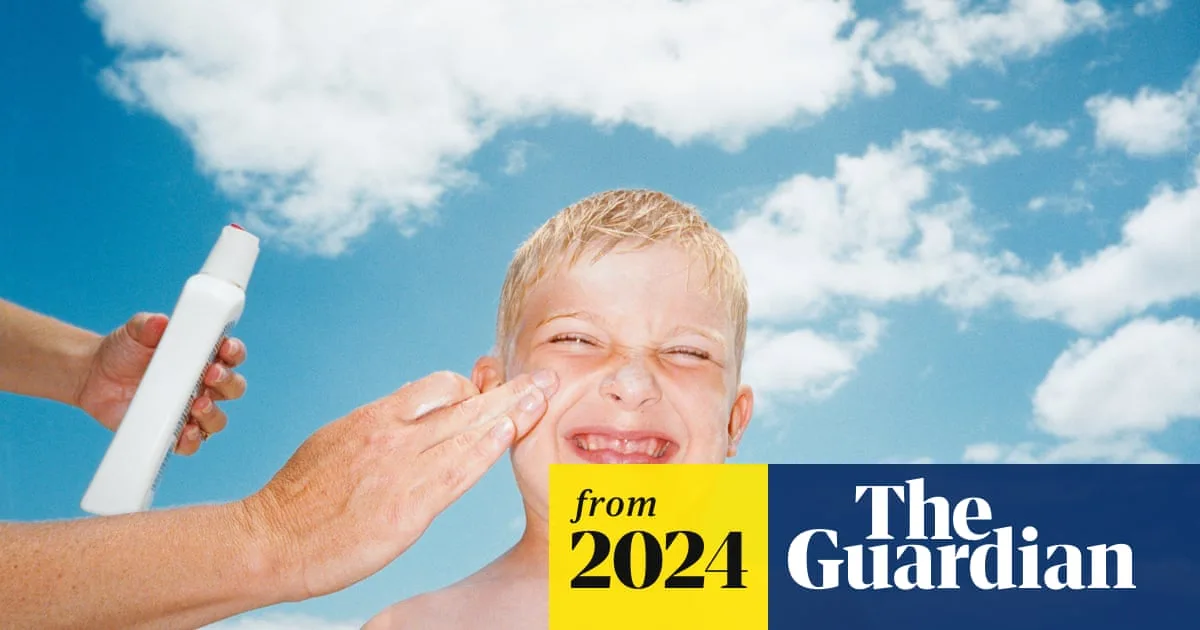
"Used correctly" is key. Research indicates that about one ounce (a shot glass-sized amount) of sunscreen is needed to cover the exposed areas of an average adult body, and a nickel-sized amount for the face and neck. The majority of people apply between a quarter and half of the recommended amounts, placing their skin at risk for sunburn and photodamage.

Sunscreen efficacy decreases in water or with sweating. The FDA now requires sunscreens labelled "water-resistant" or "very water-resistant" to last up to 40 minutes or 80 minutes, respectively, in water. Medical groups recommend reapplication immediately after water sports. Generally, reapply every two hours and after water sports or sweating.

To achieve high SPF values, multiple UVB filters are combined based on FDA safety standards. However, SPF does not account for UVA protection. For a sunscreen to claim UVA and UVB protection and be labelled "Broad Spectrum," it must pass the FDA's Broad Spectrum Test, where it is exposed to a large dose of UVB and UVA light before testing its effectiveness.

This pre-irradiation step acknowledges that some UV filters can be photolabile, meaning they degrade under UV irradiation. The most famous example is PABA, a UVB-absorbing molecule rarely used today because it forms photoproducts that cause allergic reactions in some people.

The Broad Spectrum Test became particularly relevant when avobenzone, a UVA-absorbing molecule, entered the market. Avobenzone can interact with octinoxate (a strong UVB absorber) in a way that reduces its effectiveness against UVA photons. In contrast, the UVB filter octocrylene helps stabilise avobenzone, prolonging its UVA-absorbing form. Additionally, some sunscreens contain ethylhexyl methoxycrylene, which stabilises avobenzone even in the presence of octinoxate, providing longer-lasting UVA protection.

Next in sunscreen innovation is broadening their mission. Since even the highest SPF sunscreens do not block 100% of UV rays, adding antioxidants provides a second line of defence when the skin's natural antioxidant defences are overwhelmed. Some antioxidant ingredients include tocopheral acetate (Vitamin E), sodium ascorbyl phosphate (Vitamin C), and DESM. Researchers are also investigating whether absorption of other light colours, like infrared, contributes to photodamage.

As research continues, one certainty is that protecting DNA from UV damage, for people of every skin colour, is synonymous with preventing skin cancers. The Skin Cancer Foundation, American Cancer Society, and American Academy of Dermatology stress that regular use of SPF 15 or higher sunscreen prevents sunburn and reduces the risk of non-melanoma cancers by 40% and melanoma by 50%.

We can still enjoy the sun. Unlike my Aunt Muriel and us kids in the 1980s, we simply need to use available resources—long sleeves, shade, and sunscreens—to protect the molecules in our skin, especially our DNA, from UV damage.