
A taste test comparing three cooking methods for salmon has found that pan-frying delivers the juiciest and most flavoursome results, while the microwave should be avoided at all costs. The experiment, conducted by a food writer, pitted a frying pan against an oven and a microwave to settle the debate over the best way to cook the popular fish.
The microwave proved to be the worst option, taking just five minutes to nearly destroy the fillet. The salmon emerged chalky, dry, and overcooked, with virtually no traditional salmon taste remaining. The edges deteriorated, the skin crumbled, and the texture was described as reminiscent of poorly cooked salmon. The writer concluded that the microwave is best reserved for reheating leftovers.
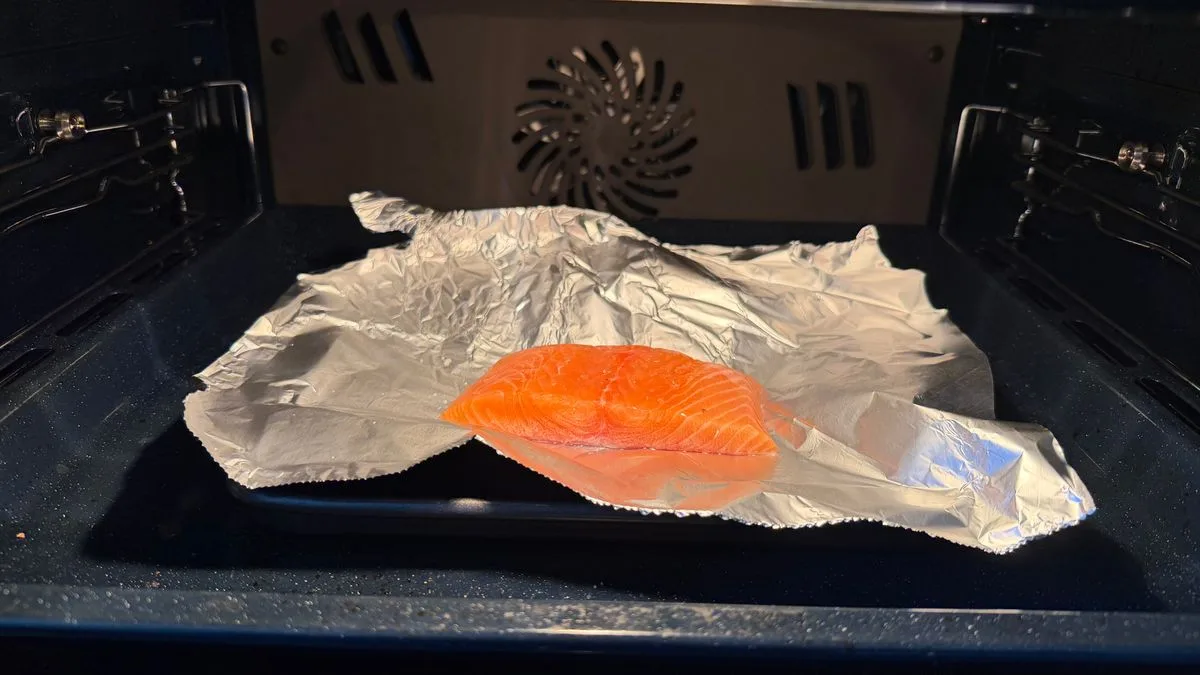
Oven-cooked salmon, baked at 200°C for 12 minutes, was found to be criminally underrated. The fillet cooked uniformly, retained seasoning well, and was beautifully delicate throughout with no chalkiness. However, it lacked crispness on the skin side. The oven was deemed the superior method for less experienced cooks, as it requires minimal attention.
Pan-frying emerged as the winner, delivering the best flavour and the crispiest skin. The technique requires constant attention and a medium-high heat, but the payoff is a smoky flavour from the crispy skin that the oven cannot match. The writer noted that the frying pan imparts a subtle smokiness that elevates the salmon, though the method can be challenging for beginners.




