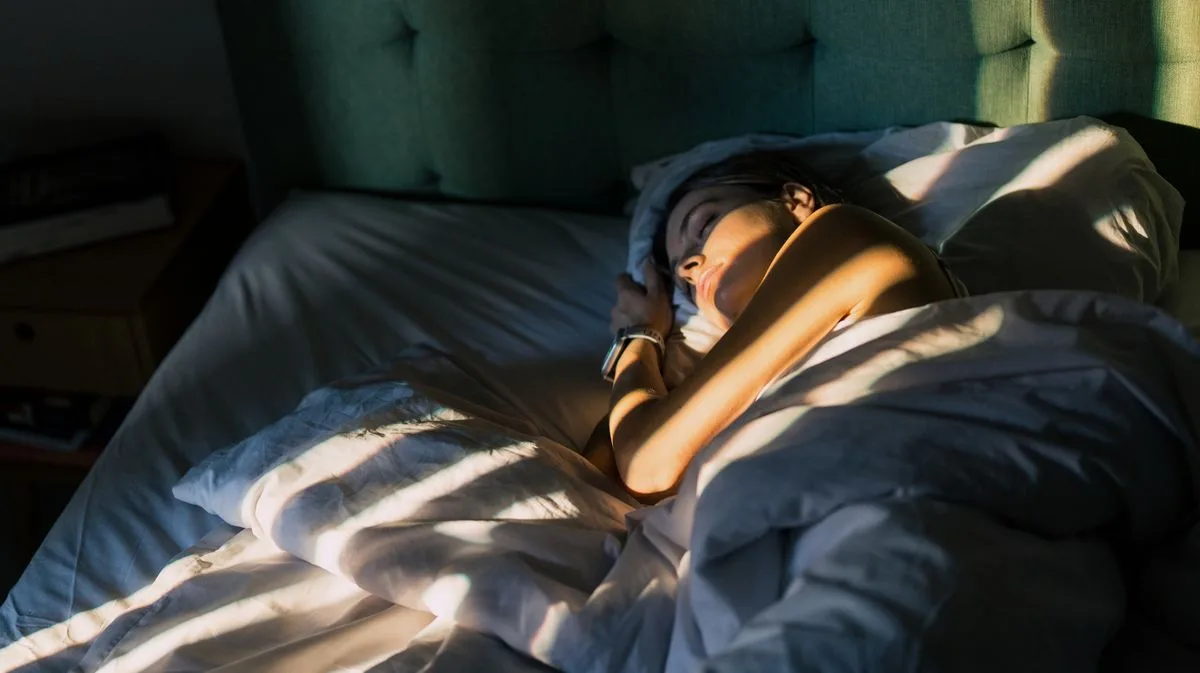
The 'Reverse Blink' Sleep Trick: A 10-Second Method Backed by Neuroscience
Reverse Blink Trick: 10-Second Sleep Method Explained

For countless individuals, achieving a restful night's sleep can feel like an ongoing struggle, with fatigue and exhaustion posing significant threats to overall health and wellbeing. However, a remarkably simple 10-second technique, known as the "reverse blink trick," is emerging as a potential solution to help people drift off more quickly.

The Critical Importance of Quality Sleep

Securing adequate sleep is fundamental to maintaining good health. According to the NHS, the benefits of proper rest extend to boosting mood, reducing stress levels, and alleviating anxiety. The health service emphasises that while sleep requirements vary, adults typically need between seven and nine hours per night, with children requiring nine to 13 hours, and toddlers and babies needing 12 to 17 hours.

The NHS cautions that constant daytime tiredness is a clear indicator of insufficient sleep. This lack of rest can transform bedtime into a stressful experience, leading many to seek out tips and tricks online to improve their sleep duration and quality.

Wide Pickt banner — collaborative shopping lists app for Telegram, phone mockup with grocery list

The Viral Sleep Hack Explained

The method gained prominence after a social media user requested "oddly specific life tips." Among the responses, the "reverse blink trick" stood out. This technique involves consciously opening your eyes every 10 seconds while trying to fall asleep.

Neuroscientist Andrew Huberman, an associate professor at the Stanford University School of Medicine, has endorsed this approach. The theory suggests that by forcing your eyes open at regular intervals, your brain interprets this as an attempt to stay awake, ultimately prompting it to surrender and induce sleep more rapidly.

Public Reaction and Personal Testimonies

Social media users have enthusiastically shared their experiences with the method. One individual reported, "I just tried doing this at my desk and almost took a quick nap," highlighting its potential effectiveness. Another exclaimed, "I'M 38 AND THAT WAS AN OPTION THIS WHOLE TIME???" expressing surprise at the simplicity of the hack.

Further comments included hopeful statements from those battling sleep issues, such as, "Hope this works man, struggling to sleep nowadays," and, "Somewhat chronic insomniac. I will try this!" These testimonials underscore the widespread interest in accessible sleep solutions.

The Serious Health Implications of Poor Sleep

Chronic sleep deprivation carries severe health risks. Research from Johns Hopkins Medicine indicates that persistent poor sleep may increase the likelihood of developing conditions like dementia, heart disease, type 2 diabetes, obesity, and certain cancers, including those of the breast, colon, ovaries, and prostate.

Moreover, inadequate rest can impair daily functioning, affecting performance at work and safety while driving. This highlights the critical need for effective sleep strategies to safeguard long-term health.

Creating an Optimal Sleep Environment

While techniques like the reverse blink trick can aid in falling asleep, establishing a conducive bedroom environment is equally vital. Experts recommend keeping the sleeping area calm, quiet, and dark to foster a relaxed state of mind. Consistency in sleep routines also plays a crucial role in improving overall sleep quality and duration.

Incorporating simple methods, such as the 10-second blinking hack, alongside environmental adjustments, may offer a practical approach to overcoming sleep challenges and enhancing overall wellbeing.

Pickt after-article banner — collaborative shopping lists app with family illustration