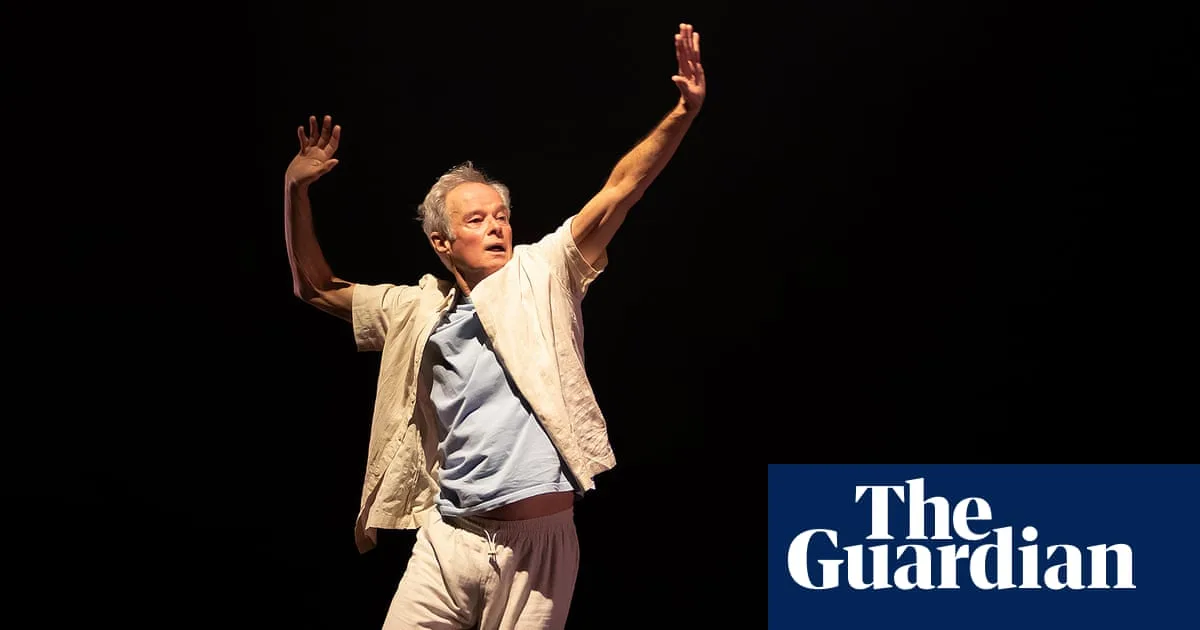
As Angela Rippon’s Let’s Dance campaign aims to get the nation moving this week, older dancers share how they overcame nerves to relish the benefits. In retirement, Suzanne Tarlin heard herself saying: “I need to move.” The former solicitor, then 71, learned from a friend about senior ballet and contemporary dance classes at a community centre and decided to give it a try. “Terrifying,” the Londoner remembers, 10 years on. “But the teachers who do this stuff are incredibly patient and good-humoured. People come with all sorts of backgrounds and levels of expertise. The classes are clearly important because some people go week after week, sometimes twice a week.”
Tarlin went on to do senior contemporary classes at Rambert, then added over-60s classes at the Place, home to London Contemporary Dance School, and sessions in German tanztheater at Morley College. She also signed up for creative workshops and performance groups, especially enjoying intergenerational projects – even performing in a large-scale public event with dancers from Rambert and the Ballet National de Marseille at the Southbank Centre. “I suppose the dreaded word is ‘wafting’,” she says. “You know, being a bit pretty, drifting around waving a scarf or something.” Through her dancing, she made a new network of people and discovered more about the art of dance.
Diego Robirosa, now 72, likewise began dance classes 10 years ago. “It has been one of the best decades in my life,” he says from his home in Suffolk, “and a lot of that is thanks to dance.” A former merchant banker, he had loved watching dance as a young man but faced prejudices about men and dance. When his daughter began classes at DanceEast, he noticed a course for older people but waited four years before starting. With more time and less concern about stereotypes, he began. “In my 20s I had some kind of fantasy that I could do something, but here I went with no expectations. I was just exploring.” He tried ballet and floor work but prefers contemporary dance. He auditioned for the legendary Tanztheater Wuppertal as an extra for Pina Bausch’s Viktor and performed with them in London and Antwerp. “Crazy!” he says. “But how incredibly stimulating.”

Like Tarlin, Robirosa discovered “a new world, not only to do with physical activity, but also with creativity and exploration. On the human level, it also connected me with new people, and generated new friendships.” Professor Daisy Fancourt, author of Art Cure, notes that dance activates neural reward centres, increases neurotransmitters involved in happiness, and helps regulate emotions. The benefits are both physical and mental, offering older adults a stimulating and social activity.