
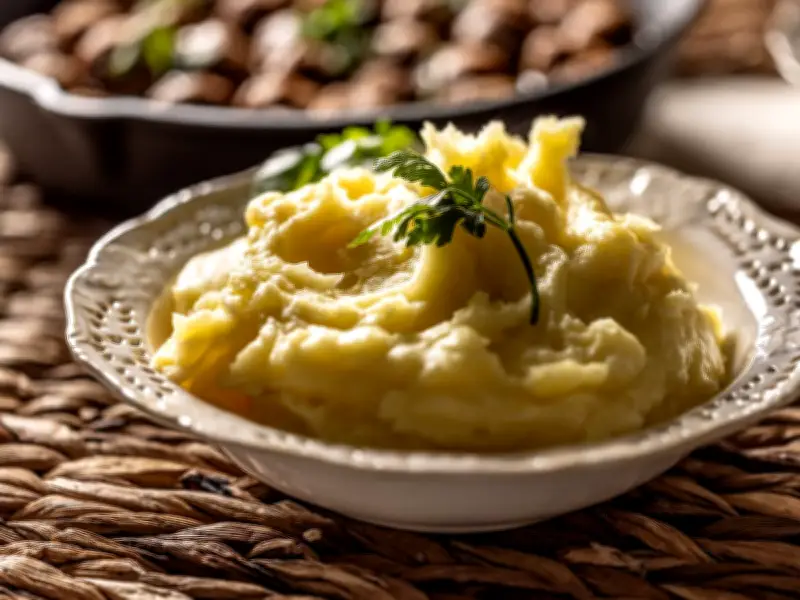
Butter is commonly used in mashed potatoes to give a rich, creamy texture, but swapping it could make your mash even fluffier and lighter. Mashed potatoes remain a firm favourite, especially with a roast dinner, yet they can often turn out stodgy and lumpy when the method isn't quite spot on.
Why Olive Oil Works Better
While butter is conventionally used to achieve a creamier mash, it can dramatically bump up the calorie count and sometimes lead to a gluey, sticky consistency. However, Katie from Wholefood Soulfood Kitchen has shared a secret trick for producing the fluffiest mashed potatoes - and entirely without butter.
She said: "This airy and pillowy mashed potato dish is made without butter and with a little bit of olive oil. The olive oil gives it a velvety texture and a really delicious earthy flavour. It's an easy recipe to follow and put together."
New York Times Recipes chef David Tanis said olive oil mashed potatoes are "extremely easy to make, and have the added benefit of being vegan. A hefty dose of garlic lends a bite to the creaminess."
Health Benefits and Texture
While it may sound unconventional, a drizzle of olive oil can revolutionise your mash, avoiding the heaviness that frequently plagues potato dishes and producing a silkier, more sumptuous side. Beyond giving your mash a rich, decadent quality, olive oil also stops it from turning dry or developing any lumps.
The biggest benefit of using olive oil is its wealth of healthy fats, making it an ideal substitute for anyone seeking a more filling yet wholesome option without compromising on flavour. This straightforward method promises to revolutionise your mashed potatoes, delivering improved flavour and texture, while keeping things simple with just three key ingredients and minimal fuss.
Instructions for Perfect Mash
The potatoes should be perfectly soft and easily pierced with a fork after approximately 15 minutes. Once ready, drain the potatoes through a sieve, making sure to reserve some of the starchy cooking water.
Now it's time to mash the potatoes. A potato ricer or handheld masher delivers the best results for achieving the ideal consistency. That said, steer clear of over-mashing as this can break down the starch in the potatoes, resulting in a dense or gluey texture. This is precisely why food processors or electric hand mixers aren't recommended for making mashed potatoes.
Next, gradually incorporate the olive oil, mixing gently with a wooden spoon. Olive oil acts as a brilliant carrier for additional flavours such as crushed garlic, fresh herbs or lemon juice. If you're comfortable using dairy, think about adding cream cheese, cheddar cheese or sour cream at this stage - the olive oil will enhance their flavours beautifully.
Should the potatoes look too thick, add a splash of the reserved starchy water to loosen them up. Continue stirring with a wooden spoon until you achieve your preferred consistency. Your lighter, creamier and altogether more delicious mashed potatoes will then be ready to dish up. Any leftover portions should be stored in an airtight container in the fridge, where they'll remain fresh for up to two days.




