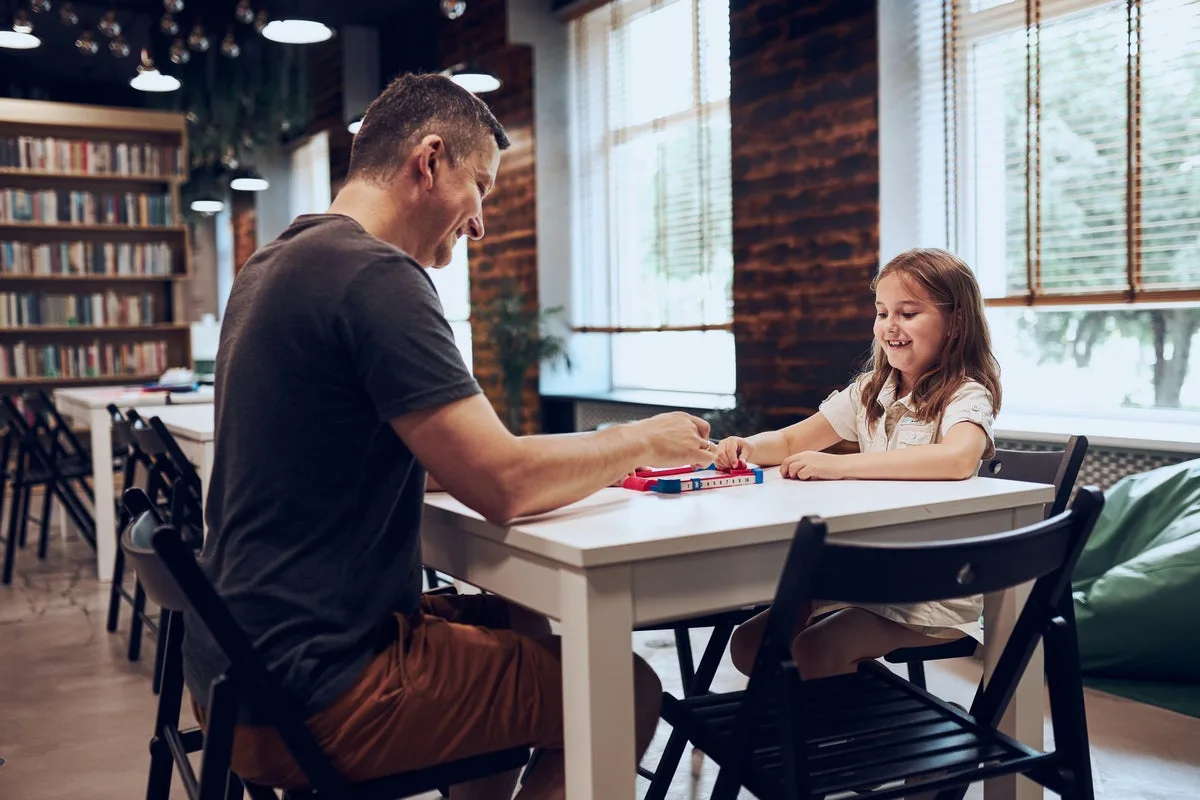
Researchers at the University of Plymouth have confirmed what board game fans and role-playing game (RPG) enthusiasts have known for decades: tabletop games enhance well-being, foster inclusion, and support learning, with strong evidence that games improve engagement. The study highlights benefits for people with autistic traits, but notes that tabletop gaming offers social benefits for everyone.
The Golden Age of Board Games
We are living in a golden age of board games. Despite the rise of digital technologies, tabletop games continue to thrive. In 2025, the global board games and playing card market was valued at nearly US$20 billion and is projected to reach US$32 billion by 2030. While the COVID-19 pandemic initially boosted interest, the market has continued to grow even after social distancing ended. The digital detox movement has also contributed, but the deeper benefits of tabletop games go beyond simply putting down a smartphone.
Building Meaningful Connections
Research during the pandemic showed that playing board games decreased stress, isolation, and anxiety. Studies also demonstrate that board games help develop socio-emotional growth, strengthen relationships, and build community. For example, the Bonding thru Board Games program at Kansas State University uses tabletop gaming to develop soft skills such as self-control, positive self-concept, social and communication skills, and executive function.
Meaningful social bonds are critical to health and wellness. Research shows that stable social connections support emotional and mental well-being, impact cognitive abilities, and influence motivations and behaviour. Tabletop gaming builds vital community, as seen at Rain City Games in British Columbia, where co-owner Andrea Robertson reports increased participation in store events, with annual ticket sales rising from 8,500 in 2024 to over 9,100 in 2025. She notes that the store serves as a third space for customers, helping alleviate loneliness and isolation among young people by offering screen-free interaction.
Space for Indigenous and Racialized Gamers
In 2021, David Plamondon co-founded Pe Metawe Games in Edmonton, Canada's only Indigenous-owned board game store. Committed to reducing barriers for marginalized communities, Plamondon, a Cree game consultant, explains that the tabletop hobby has historically been unwelcoming to equity-deserving groups, including LGBTQ2S+, women, and BIPOC individuals. Poor representation and socioeconomic factors have excluded Indigenous folks from participating. As a game consultant, Plamondon helps developers ensure Indigenous Peoples are represented in game design. He says, 'From a Cree perspective, incorporating Indigenous values into gaming spaces is synonymous with building and protecting a community.'
From Play to Playtesting
Plamondon's work reflects a trend toward inclusive game design, leading to new gaming events where players help develop games. The Vancouver Playtest Group (VPG), established in 2018, provides a space for designers to work on prototypes. Co-founder Noe Escobar says, 'Games teach us a lot about ourselves through funny, exciting, or frustrating moments. We share those feelings and go on a journey together, finding a new community of friends.'
Academics have also recognized gaming's community-building value. At the University of British Columbia, the UBC Critical Play Lab and Fellows Program develops a community of practice for games and game studies, innovating teaching, research, and public engagement through games. The inaugural cohort of nearly 30 scholars, students, and local game designers collaborates on new research and game design initiatives.
How to Get Started
To get into tabletop gaming, attend in-person board game nights at local venues or visit a local game shop for information on groups. Public libraries also offer games. Game store staff are experts at recommending games based on your preferences. For beginners, easy party games like Hues and Cues and Wavelength are great. Dominion and Ascension are good for deck-building games. Dice Throne offers magical combat with dice, while Naasii provides a twist inspired by the Indigenous-futurist world of Coyote & Crow. Cozy games like Patchwork are easy to play during conversation, and Cascadia reflects the natural beauty of the Pacific Northwest. Ticket to Ride is a crowd-pleaser for all ages, and Toy Battle is a fun two-player game for families.






