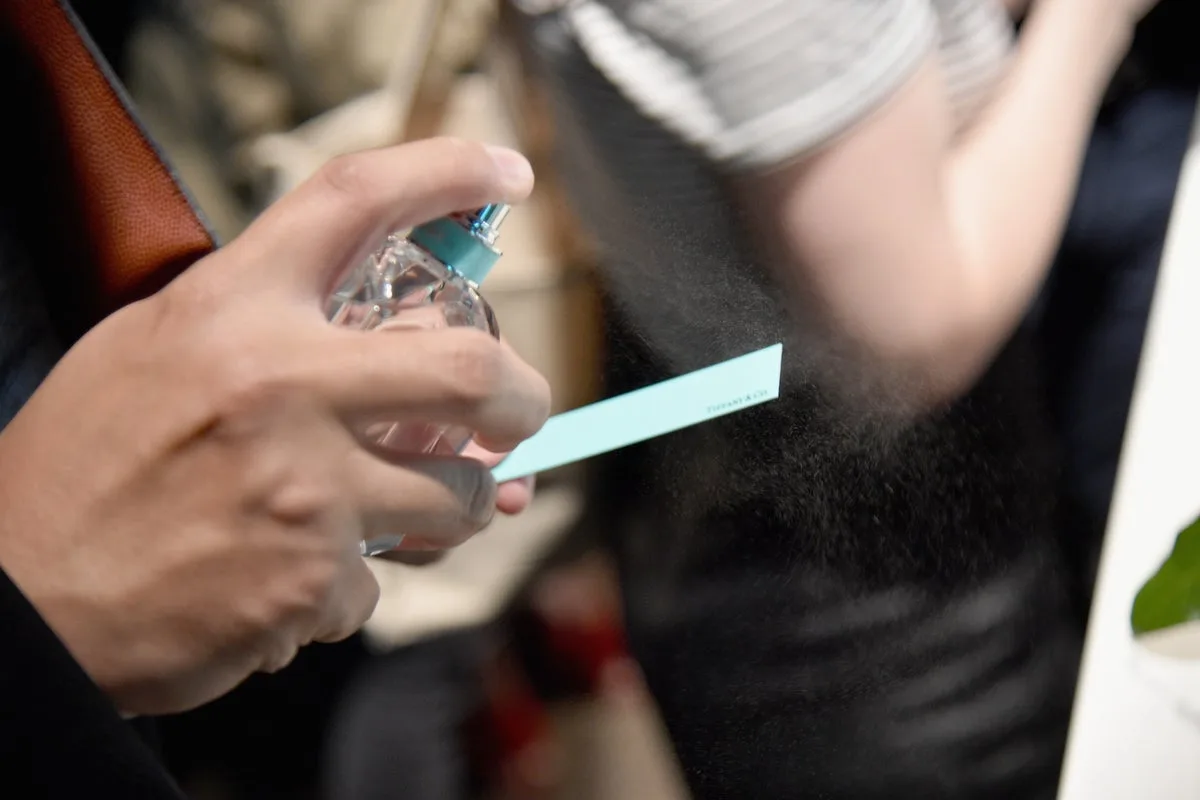
Some users of GLP-1 weight loss drugs are reporting an unexpected side effect: a newfound obsession with perfume. Many say they have developed a strong craving for sweet, dessert-like fragrances, leading them to spend hundreds or even thousands of pounds on new scents.
Katie, a 46-year-old teacher from the Washington, D.C., suburbs, started taking Eli Lilly's Zepbound in March 2024 after struggling to lose weight following a hysterectomy. She told The Independent her interest in fragrance 'increased by a factor of a thousand.' She now owns over 50 bottles, mostly from niche brands, and estimates she has spent around $3,000 on perfume in two years.
Online forums like Reddit are filled with similar stories. Users describe an urge to smell everything, from soap to dog shampoo, and a particular love for gourmand scents that evoke baked goods. One user wrote, 'I just want to smell like a bakery all the time.' Another noted that the drugs allow them to enjoy sweet fragrances without feeling hungry.
Scientists suggest the effect may be linked to how GLP-1 drugs interact with the brain's olfactory system. Leslie Kay, a professor at the University of Chicago, explained that the drugs might engage olfactory pleasure circuits, hijacking them for non-food smells like perfume. Paule Joseph of the National Institutes of Health added that GLP-1 receptors sit on mitral cells in the olfactory bulb, which carry smell signals to the brain.
Hiroaki Matsunami of Duke School of Medicine theorised the process occurs in the brain, not the nose, affecting nerve cells related to nausea and potentially influencing odor perception. Catherine Dulac of Harvard noted that sense of smell is highly affected by internal states, and since GLP-1 alters metabolic state, the side effect is not surprising.
Despite the anecdotal reports, the side effect has not appeared in clinical trials. Dr. Luke Pratsides of UK-based GLP-1 supplier Get A Drip said he has not encountered it in his patients. Katie, who paused Zepbound for six months after surgery, said her interest in fragrance persisted, and she has enjoyed the artistic journey of discovering new scents.