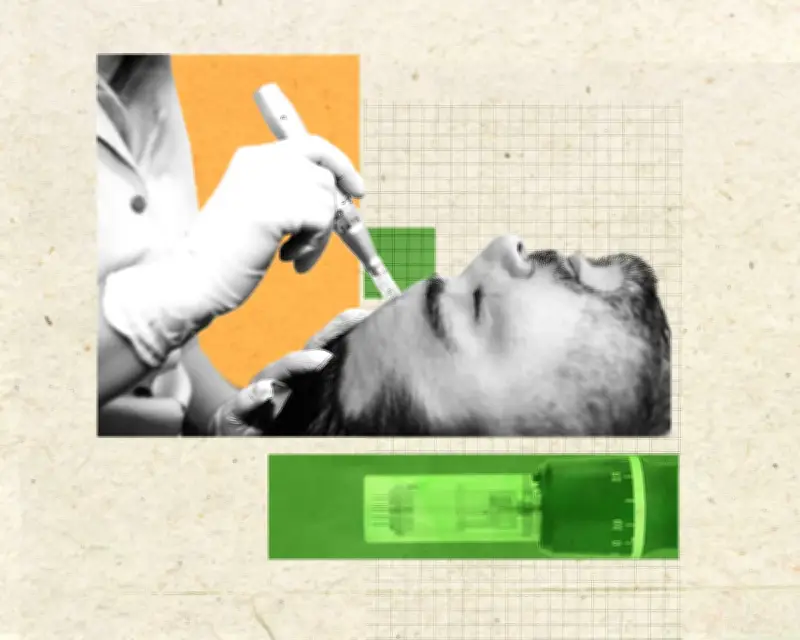
Microneedling, the practice of using tiny needles to puncture the skin, is a popular anti-aging trend, but the evidence for its effectiveness is weak, according to epidemiologist Gideon Meyerowitz-Katz. Writing in the Guardian's Antiviral series, he notes that most studies are small and poorly designed, failing to show significant benefits for wrinkles or skin rejuvenation.
What Is Microneedling?
Microneedling involves rolling a device covered in fine needles over the skin, primarily the face, to create controlled micro-injuries. Proponents claim this stimulates collagen production, reducing fine lines, acne scars, and signs of aging. However, Meyerowitz-Katz points out that while the rationale is plausible, the science behind it is shaky.
Associate professor Deshan Sebaratnam, a dermatologist at the Skin Hospital, explains that "the controlled damage can trigger remodelling and leads to improvements in mild skin problems like acne scarring or fine lines." But this benefit is limited, and the evidence for anti-aging effects is lacking.

Poor-Quality Studies
Meyerowitz-Katz highlights a 2010 study with only 20 participants, of whom five dropped out. The remaining 15 received microneedling on one side of the face and none on the other. The treated side showed slightly less scarring, but the result was not statistically significant. "Most of the studies of microneedling seem to follow this pattern – very few people, inadequate follow-up, limited assessment of either scarring or wrinkles," he writes.
Other studies are unhelpful because they test microneedling alongside other treatments, making it impossible to isolate its effects. For example, some trials give microneedling to both groups, so they cannot determine if the needles themselves provide any benefit.
Professional vs. At-Home Devices
Sebaratnam notes a key difference between professional and at-home microneedling: "Microneedling devices marketed towards consumers generally do not penetrate as deep as those offered by professionals. This means the chance of side effects is less but the chance of improvements is also less." Home devices, often promoted on Instagram and TikTok, are less likely to yield results, though definitive evidence is absent.
Conclusion: Wait for Better Data
Meyerowitz-Katz concludes that microneedling might have some benefit for acne or acne scarring when performed by a professional, but there is no solid evidence for anti-aging effects. He adds, "I'm on the fence about whether there are any other benefits for microneedling. It's not impossible but I haven't seen solid evidence yet." He advises waiting for higher-quality research before repeatedly stabbing one's face.