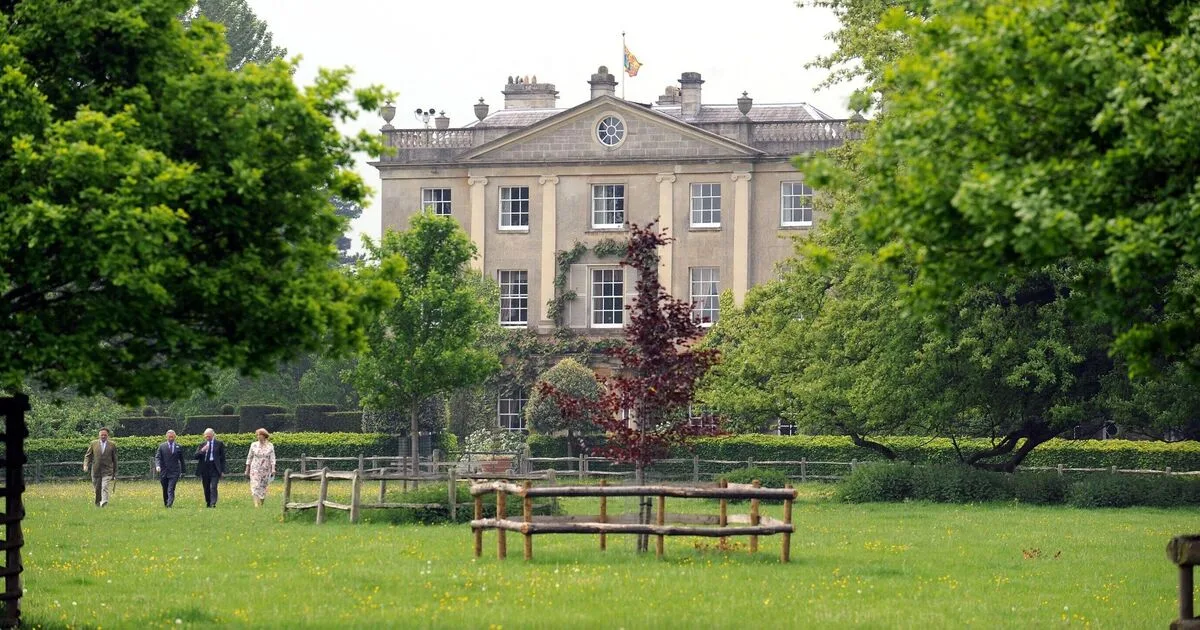
Summer is approaching, and gardeners are looking for ways to ensure their plants bloom spectacularly. Rhododendrons and azaleas are popular in British gardens, and a simple tip from King Charles's former gardener could help them thrive.
Jack Stooks, who worked at Highgrove House for 20 years, revealed that he used coffee grounds to boost the King's rhododendrons and azaleas. Speaking to Coffee Friend, he explained that coffee grounds work best on acid-loving plants like rhododendrons and azaleas, providing nutrients such as nitrogen, potassium and magnesium.
To use coffee grounds effectively, Stooks advised drying them first. He said: 'I usually spread them out on a baking tray on sunny days and then store them in an airtight container. When you’re ready to use them as a feed, mix the dried coffee grounds with compost before applying them around the roots of the plant.'
Using wet grounds can encourage mould growth, so proper drying is essential. Stooks also warned against overfeeding, as too much coffee can make soil overly acidic. He recommended using coffee grounds gradually as a plant feed rather than a pest deterrent.
However, coffee grounds can also deter pests like slugs and snails. Stooks suggested placing a ring of dried grounds around plants such as delphiniums or hostas, as the rough texture and caffeine content discourage these pests.