

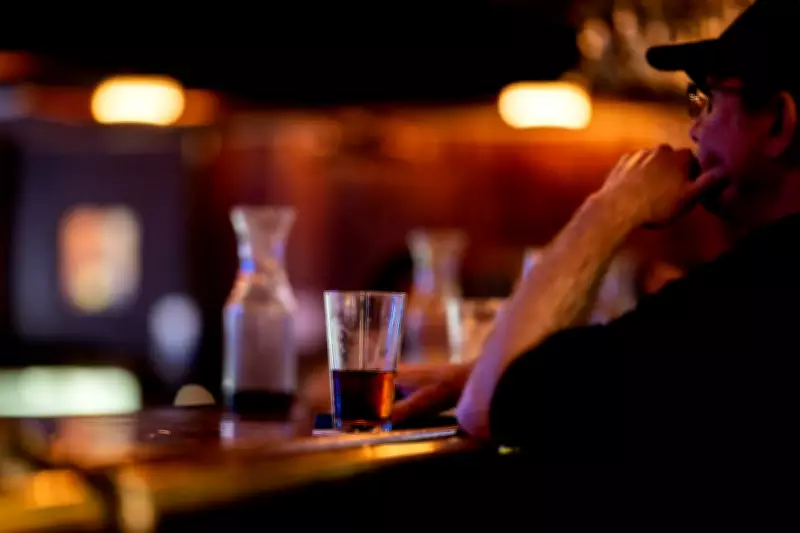
Could Vaccine Beer Revolutionise Immunisation? Scientist's Controversial Experiment
Vaccine hesitancy continues to surge across the United States, leading to alarming spikes in preventable diseases like measles. In response, an unconventional experimental vaccine has emerged that aims to combat both fear of needles and vaccine reluctance. Remarkably, this innovation might one day allow individuals to receive immunisation simply by enjoying an ice-cold beer.
The Science Behind Vaccine Beer
National Cancer Institute virologist Chris Buck, working independently of the agency, has brewed a cloudy ale containing special "vaccine yeast" designed to fight animal-based viruses particularly dangerous to people with compromised immune systems. Buck engineered brewer's yeast to produce harmless viral proteins from BK polyomavirus, which can cause brain and cardiovascular diseases.
Much like conventional COVID-19 vaccines, these proteins trigger the production of protective antibodies. "The idea really is to just take living yeast, which are what makes beer, and put a vaccine inside the living yeast," Buck explained in an explanatory video. "And by doing that, you can actually get the yeast to cause an immune response."

The yeast serves as a more effective vehicle for the protein than consuming pure protein alone, as it protects the protein from stomach acid, allowing it to break open in the intestine where the immune system can recognise it.
Personal Experimentation and Results
Buck personally tested the vaccine beer by drinking one to two pints daily for five consecutive days, followed by two five-day booster doses at five and seven weeks. He reported no significant side effects and blood tests revealed he had produced antibodies against two types of BK polyomavirus that may lead to bladder cancer.
"I've homebrewed beer off and on for 30 years," Buck wrote in a December post. "When I saw that feeding lab mice with engineered brewer's yeast could induce protective antibody responses against the virus I study, my instant first thought was, 'well, I can definitely do that at home.'"
Buck has published a non-peer-reviewed research article about his work, along with a National Institutes of Health-supported study on related impacts in mice. He has also launched the non-profit Gusteau Research Corporation to develop molecules enabling vaccine beer production.
Ethical Concerns and Institutional Pushback
The innovative approach has faced significant institutional resistance. A research ethics committee at the NIH initially prohibited Buck from experimenting on himself by drinking the vaccine beer. In February, Buck was reportedly placed on paid administrative leave pending an investigation, though the nature of this investigation remains unclear.
Buck believes the NIH dismissed his application prematurely, writing that concerns about vaccines requiring FDA approval overlook that "many foods are known to have drug-like medicinal properties." He argues that if something is already in the food supply without causing problems, manufacturers can claim it's generally recognised as safe.
Potential Risks and Public Perception
Critics worry the vaccine beer concept could backfire, potentially fueling greater anti-vaccine sentiment. They emphasise that extensive safety and efficacy testing would be necessary before any rollout.
"Right now, the scientific community has to think about everything it does and answer the question, 'Is what we're doing going to cause more distrust amongst the public?'" said Michael Imperiale, a virologist and emeritus professor at the University of Michigan Medical School.
However, Buck reports that anti-vaccine advocates he has spoken with seem interested in the concept. "From my vantage point, institutional scientists typically put too much faith in institutional authority," he noted, "while being too casual in their dismissal of all independent scientists as dangerous snake oil salesmen."
Additional concerns arise from alcohol consumption itself, which has been linked to higher cancer risks. Federal data shows more than half of Americans drink alcohol, raising questions about whether the potential benefits outweigh the risks.

The future of vaccine beer remains uncertain, balancing innovative science against ethical considerations and public health implications in an era of growing vaccine hesitancy.





