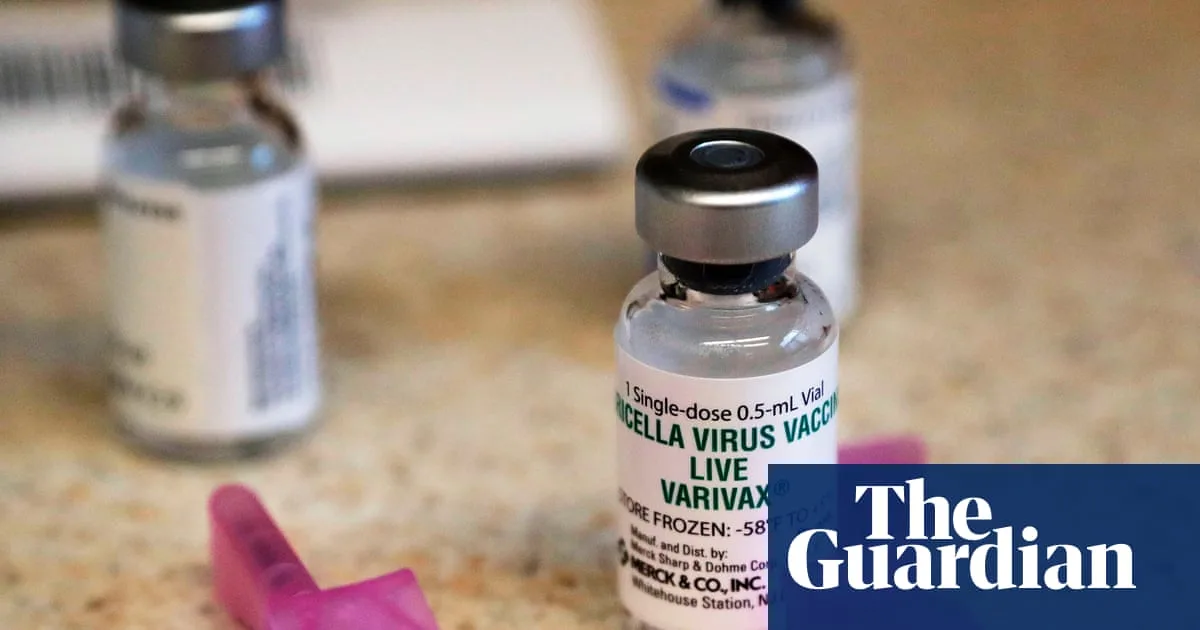
In a landmark shift for public health, the NHS is for the first time offering a chickenpox vaccine as part of its routine childhood immunisation schedule. From this Friday, infants across the UK will be offered a combined jab that protects against four diseases: measles, mumps, rubella, and varicella (chickenpox).
A New Era for Childhood Vaccination
The long-standing MMR jab, in use since 1988, is being replaced by the MMRV vaccine. Children will receive two doses of this new immunisation, the first at 12 months and the second at 18 months. The initial appointments at GP surgeries are set to begin on Friday, marking the start of this significant programme.
This decision brings the United Kingdom into line with nations like the United States, Canada, Australia, and Germany, where the combined MMRV jab is already standard. In those countries, the introduction has led to a sharp reduction in chickenpox cases and related hospital admissions.
Protecting Children and Reducing Disruption
Chickenpox is a highly contagious common childhood infection. Official data indicates that half of all children contract it by age four, and 90% by age ten. While often mild, causing an itchy rash, it can lead to serious complications such as pneumonia or encephalitis, requiring hospital care. It also causes significant disruption, with children needing to stay off school or nursery for around five days.
Dr Claire Fuller, NHS England’s joint medical director, hailed the move as a "hugely positive moment". She stated it provides protection against chickenpox for the first time within the NHS programme, adding to the arsenal of vaccines that safeguard children from serious illnesses.
Health Secretary Wes Streeting called it a "historic milestone", noting that the disease brings "significant worry and disruption" for families. Until now, parents seeking the chickenpox vaccine for their children typically had to pay around £150 privately, unless the child was in close contact with someone at high risk.
Evidence-Based Decision Addresses Shingles Concern
Professor Helen Bedford, an expert in children's health at University College London, explained that the UK had previously delayed adopting this vaccine due to concerns about shingles. The chickenpox virus can reactivate later in life as shingles, and there was a worry that reducing circulation of the wild virus might increase shingles cases in adults.
"We now have a shingles vaccine programme for older people and have the benefit of other countries’ experience," said Professor Bedford. "The decision is evidence-based." The recommendation to switch to MMRV came from the Joint Committee on Vaccination and Immunisation (JCVI), which advises the government.
The change is projected to have substantial economic benefits, saving the NHS an estimated £15 million annually from reduced GP visits and hospital admissions. It is also expected to save families about £24 million in lost income and productivity from fewer days off work to care for sick children.
Neil Gray, the Scottish health secretary, echoed the sentiment, calling it a "major step forward in protecting the health of our children into adulthood and for generations to come."




