Health authorities in New South Wales, South Australia, and Victoria have issued alerts after measles cases surged nearly threefold in 2025, driven by international travel and declining childhood vaccination rates. Data from the National Centre for Immunisation Research and Surveillance (NCIRS) shows that for the first time in a decade, vaccination coverage for two-year-olds has fallen below the critical 95% threshold needed for herd immunity, dropping to 89.7% nationally.
Australia recorded 168 measles cases in 2025, up from 57 in 2024. The decline in immunity has coincided with a rise in infections from holiday travel. A so-called 'Boxing Day cluster' linked to a single infectious traveller has grown to seven cases, prompting alerts in multiple states. In South Australia, an infected adult visited Westfield Marion, Event Cinemas, and Cockles Cafe before flying from Adelaide to Sydney on Qantas flight QF748, leading to contact tracing.
NSW has confirmed three recent cases among travellers returning from south-east Asia, with exposure sites including Macquarie Centre, Waitara Family Medical Practice, Westfield Hornsby, and Hornsby Ku-ring-gai hospital. Western Australia has two cases from the cluster, including a child, while Victoria reported a separate case in an adult returning from Bali.
Professor Peter Collignon, a microbiologist at the Australian National University, said there is no immediate threat of a national epidemic but warned that lower vaccination rates allow the virus to spread more easily. He noted that international travel to areas with low vaccination coverage is a key driver. Measles is highly contagious, with one infected person able to transmit the virus to 20 others in an unvaccinated setting, and the virus can linger in the air for up to 30 minutes.
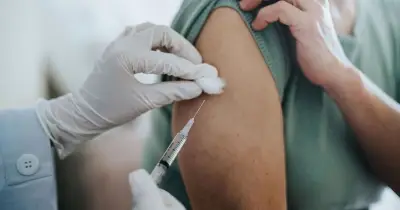
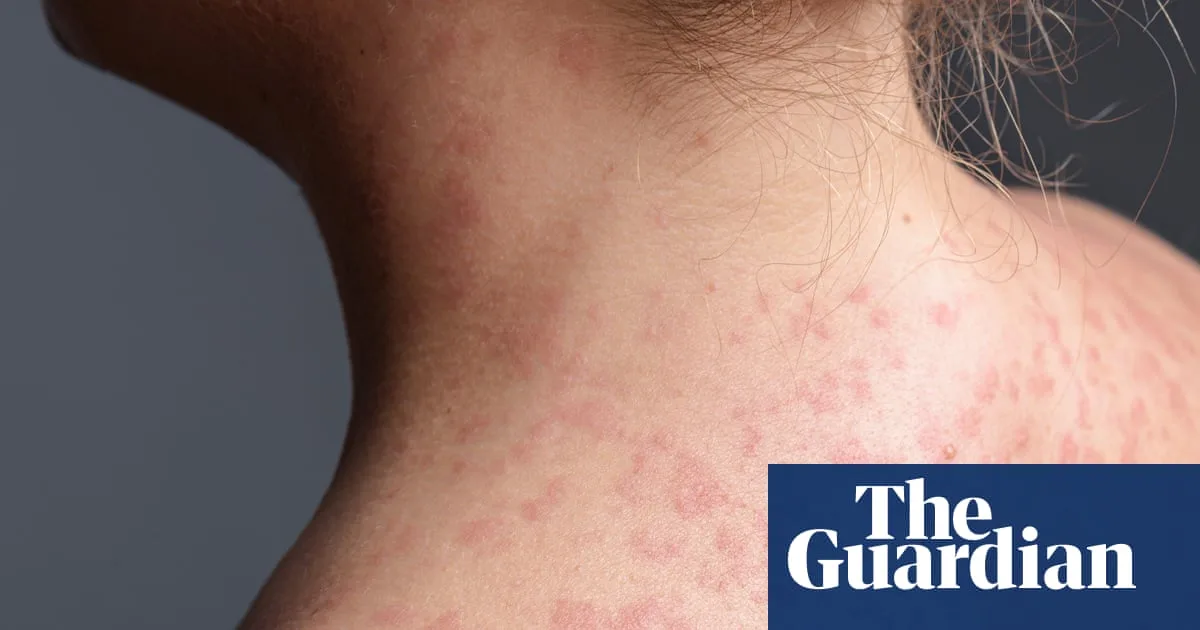
Authorities urge Australians to check their vaccination status. Those born after 1966 who have not had two doses of the MMR vaccine are eligible for a free booster. Symptoms include fever, cough, runny nose, and a distinctive red rash.