

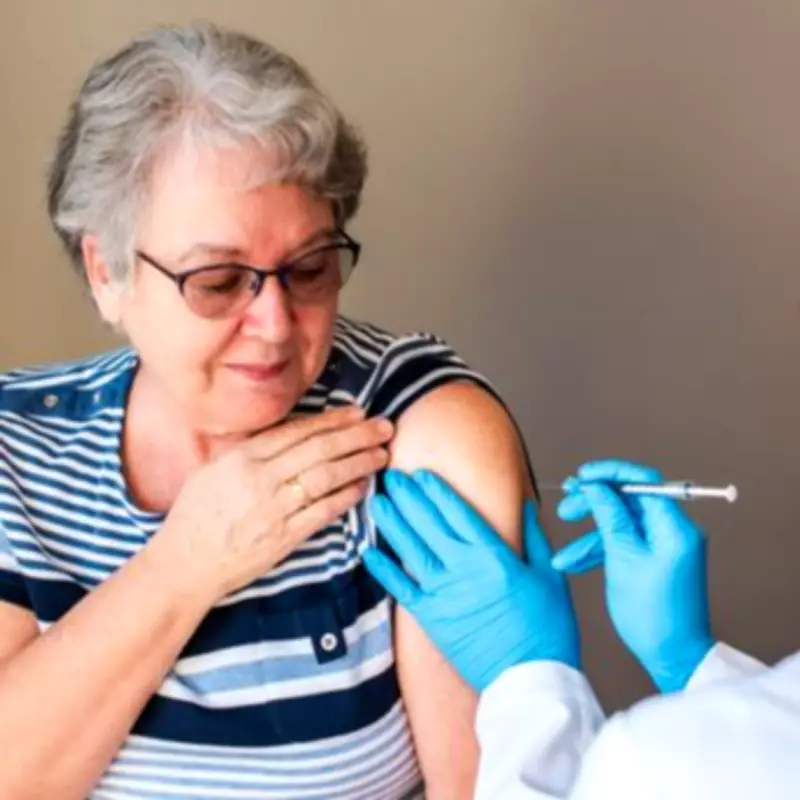
High-Dose Flu Vaccine Linked to 55% Reduction in Alzheimer's Disease Risk
A groundbreaking observational study published in the journal Neurology has found that receiving a high-dose influenza vaccine is associated with a significantly lower risk of developing Alzheimer's disease in adults aged 65 and older. The research, led by scientists at the McGovern Medical School at UTHealth in Houston, analysed health data from approximately 165,000 older adults and revealed that the high-dose vaccine reduced Alzheimer's risk by nearly 55% over a two-year period.
Study Details and Key Findings
The retrospective cohort study, titled 'Risk of Alzheimer Dementia After High-Dose vs Standard-Dose Influenza Vaccination', compared individuals who received either a high-dose or standard-dose flu vaccine. Previous research by the same team indicated that the standard-dose vaccine was linked to a 40% reduced risk over four years, but the new findings highlight the enhanced protective effect of the high-dose version. The high-dose influenza vaccine contains four times the antigen—the component that stimulates an immune response—compared to standard-dose formulations.
Researchers suggest that the high-dose vaccine offers greater protection against influenza infection, thereby decreasing the risk of severe illness and associated systemic inflammation. This reduction in inflammation may help prevent neuroinflammation and neurodegeneration, which are key factors in Alzheimer's disease progression. The study's authors noted that while both men and women showed a lower risk after receiving the high-dose vaccine, the protective effect was more consistent and longer-lasting in women.

Context and Implications for the UK
In the UK, dementia affects an estimated 982,000 people, with projections indicating a rise to 1.4 million by 2040, according to the Alzheimer's Society. During the 2024 to 2025 flu season, over 18.2 million patients registered with a GP in England received the flu vaccine, with vaccination rates reaching 70% among those over 65, 42% in pregnant women, and 71% in care home residents as of late November 2025.
The NHS recommends the flu vaccine for individuals at higher risk of serious illness, including those aged 65 or over, people with certain long-term health conditions, pregnant women, care home residents, carers, and those living with someone who has a weakened immune system. Frontline health and social care workers are also eligible for vaccination through their employers.
Strengths, Limitations, and Future Research
The study's strengths include its large sample size and comparative design between vaccinated groups. However, researchers acknowledged limitations such as potential healthy-user bias, where individuals seeking high-dose vaccines may also engage in other health behaviours that affect dementia risk, and reliance on claims data that could misclassify Alzheimer's disease cases.
Further research is needed to better understand the relationship between vaccine dose, immune response, and long-term cognitive outcomes. Studies are also required to determine whether vaccination can influence disease progression after symptoms have begun, offering hope for future interventions in Alzheimer's management.
Symptoms and Impact of Alzheimer's Disease
Alzheimer's disease is the most common cause of dementia in the UK, characterised by a progressive decline in brain function affecting memory, thinking skills, and other mental abilities. Early symptoms include memory lapses, misplacing items, forgetting names, repetitive questioning, poor judgement, and hesitation to try new things. As the disease advances, symptoms may worsen to include confusion, disorientation, obsessive behaviour, delusions, speech problems, mood swings, hallucinations, and difficulties with spatial tasks.
Behavioural changes can also occur, such as aggression, restlessness, and repetitive calling out. In later stages, individuals may experience eating and swallowing difficulties, mobility issues, weight loss, incontinence, and significant memory loss. This study underscores the potential of vaccination as a preventive measure against this debilitating condition, highlighting the importance of public health initiatives in combating Alzheimer's disease.






