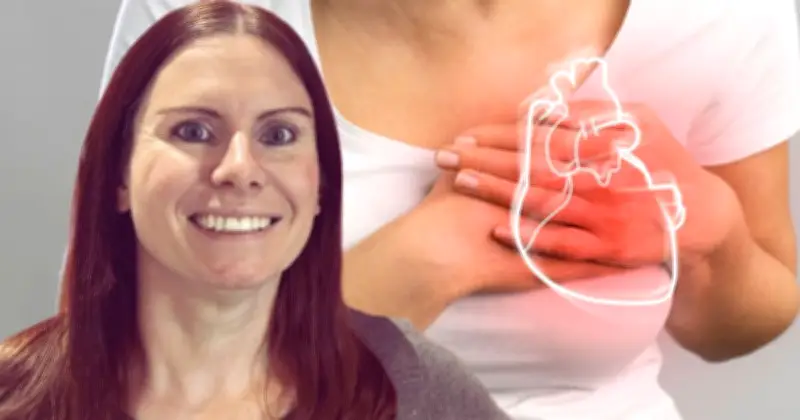
After TV presenter Alison Hammond rushed off screen clutching her chest while filming This Morning, a senior cardiac nurse at the British Heart Foundation (BHF) has outlined the key differences between a heart attack and a panic attack. Hammond later revealed on Instagram that she had experienced heart palpitations and feared she was having a heart attack, calling it “very scary”. Tests on her heart, lungs and blood gave her the all-clear, and she is thought to have had a panic attack.
What the BHF says about seeking help
Emily McGrath, a senior cardiac nurse at the BHF, said seeking help from healthcare professionals was the right thing to do. She added: “Alison is a great role-model for what to do if you experience worrying heart symptoms, and we’re so glad to hear she is doing well. Having chest pain or tightness, shortness of breath, sweating, or feelings of dread can be frightening. While symptoms like this can have many different causes, including anxiety or panic attacks, heart attack-like symptoms should never be ignored or dismissed.”
According to the BHF, heart attacks and panic attacks share many similar symptoms. A heart attack involves a blocked blood flow to the heart, while a panic attack is a sudden surge of intense fear resulting in physiological symptoms.
Key signs of a heart attack
- Feels like a heavy pressure, squeezing, or crushing discomfort in the centre of the chest, which often spreads.
- Can start gradually with mild pressure or come on suddenly, but the physical discomfort tends to worsen or persist over time.
- Often triggered or brought on by physical exertion, strain, or physical activity.
A heart attack is an emergency, and it’s important someone gets medical attention immediately.
Key signs of a panic attack
- Usually causes a sharp, stabbing, or localised pain in the chest area that does not typically radiate to the arms or jaw.
- Hits very fast, peaking in intensity within about 10 minutes.
- Symptoms are usually finite, fading and resolving on their own within 20 to 30 minutes as the body calms down.
- Frequently triggered by emotional stress, anxious thoughts, or occurs unexpectedly at rest.
Ms McGrath added: “If you experience chest pain or discomfort that is severe, lasts more than a few minutes, or is accompanied by symptoms such as sweating, nausea, dizziness or pain spreading to the arm, neck, jaw or back, call 999 immediately.
“Never worry about wasting anyone’s time. Women in particular tend to dismiss heart attack signs because of a misperception that heart attacks only happen to men. By encouraging people to seek immediate medical help when something doesn’t feel right, Alison is helping to raise awareness that could save lives.”
There are around 100,000 UK hospital admissions every year due to heart attacks, and they claim an average of 460 lives every year — or one every three minutes. More than eight million people are living with cardiovascular disease, which increases risk of heart attacks and stroke.