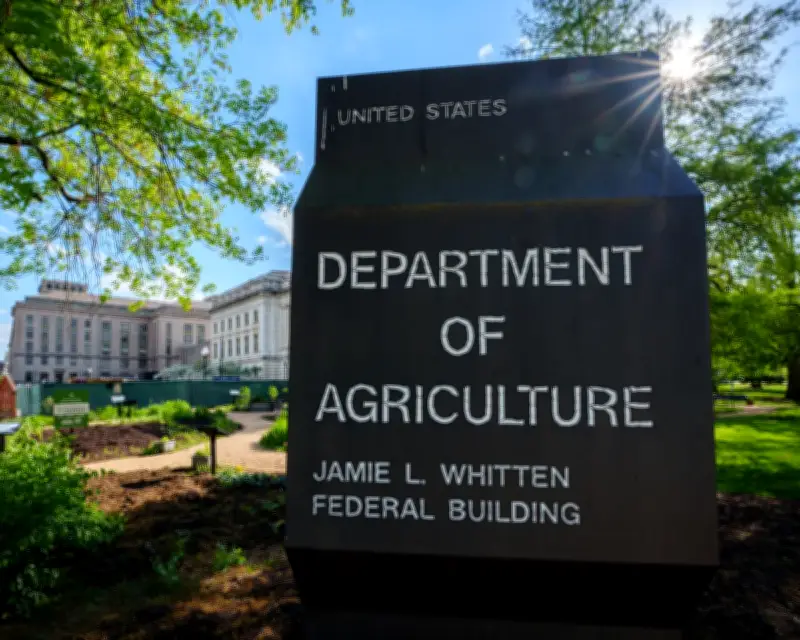
The US Department of Agriculture (USDA) has shelved several research projects focused on cyclospora, a parasite that causes foodborne illness, according to reports. The move comes as the agency faces budget reductions that have forced it to prioritize other programs.
Research halted on parasite transmission
The shelved projects were designed to investigate how cyclospora spreads through food supply chains and to develop better detection methods. Researchers had been studying outbreaks linked to fresh produce, which have become more frequent in recent years.
USDA officials confirmed the decision, citing the need to reallocate limited resources. The agency did not specify which projects were affected or how many researchers were involved.

Impact on future outbreak preparedness
Cyclospora infections can cause severe gastrointestinal illness, and outbreaks are often difficult to trace due to the parasite's long incubation period. The halt in research may hinder efforts to identify contaminated food sources quickly during future outbreaks.
Public health experts have noted that the loss of this research could leave gaps in the understanding of cyclospora's biology and environmental survival. The USDA has not announced any plans to resume the projects or seek alternative funding.