An "ultra-rapid" genetic test that can determine the type of brain tumour a patient has while they are still on the operating table is to be piloted in Newcastle. The city's hospital trust is one of five in the country to take part in a new study that experts believe could "transform" care.
The test is designed to cut the waiting time for diagnosis from an average of several weeks to just days. One Tyneside NHS figure suggested results could be available while a patient is still in surgery.
How the test works
The test works by quickly analysing the genetic code of a sample of a patient's tumour, according to NHS England. It is hoped it will "help patients get personalised care sooner" and enable them to join clinical trials they might otherwise have missed.
The technology, known as "nanopore genetic sequencing," is combined with software called "ROBIN" to analyse the DNA of a tumour, a process that works far more quickly than previous methods.
Expert and official reactions
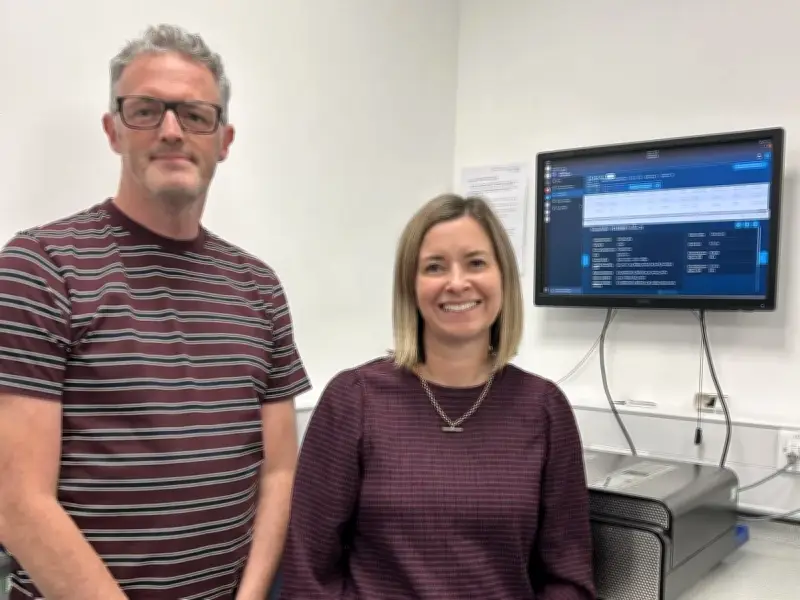
Angharad Goodman, a clinical scientist at the Newcastle Genetics Laboratory, part of Newcastle Hospitals, is the project lead. She said: "This is really exciting, the test could revolutionise brain tumour diagnosis. At the moment we carry out different genetic tests which can take a few weeks to provide a complete set of results. This new single test could give us all the information that we require for brain tumour diagnosis within days."
Ms Goodman added: "The aspiration is to have a provisional result whilst the patient is still in surgery, which would be amazing, and would build on the work already demonstrated through the national pilot programme."
Professor Frankie Swords, NHS England's medical director, said: "This remarkable rapid test has the potential to completely transform how we diagnose brain tumours, with results reaching patients in a matter of days rather than weeks. This is a huge leap forward for patients – a faster diagnosis means they can start the right treatment or access clinical trials sooner, while for some patients it could mean surgeons can make potentially life-changing decisions about their surgery while on the operating table."
Health Secretary Yvette Cooper said: "This is an incredible breakthrough in the technology available to tackle brain tumours."
Professor Dame Sue Hill, chief scientific officer for England and senior responsible officer for genomics in the NHS, said: "This is another world-leading development for NHS genomics, taking pioneering science and testing how we can use it safely and consistently in patient care."
Background and local involvement
The test was created in Nottingham, while a previous project in the North East trialled it among children, young people, and adults with one of around 40 kinds of brain tumour. That earlier project was funded by the Newcastle Hospitals Charity.
Professor Simon Bailey, consultant paediatric oncologist at the Great North Children's Hospital on the Royal Victoria Infirmary site, said: "This test will significantly improve our ability to make a rapid and accurate diagnosis, and in turn faster treatment planning so that children can start the most effective treatment as soon as possible. It will also allow clarity for children and their families much sooner so they can plan their lives."
The Newcastle University genomics team is also involved. Dr Jonathan Coxhead, who heads up the Genomics Core Facility there, said: "This is a fantastic opportunity to work with the Newcastle Hospitals team to help drive the adoption of this test in the NHS, it's exciting knowing this can have a direct impact on improving patient care."
Two leading brain tumour charities have welcomed the news. Dr Karen Noble of Brain Tumour Research called the project a "hugely promising development." Dr Simon Newman at the Brain Tumour Charity added: "We are delighted to be part of the team helping to facilitate this landmark pilot, which builds on our Brain Matrix trial. It will help shorten what can be an agonising wait for answers and, importantly, provide certainty that enables patients and their families to plan ahead."