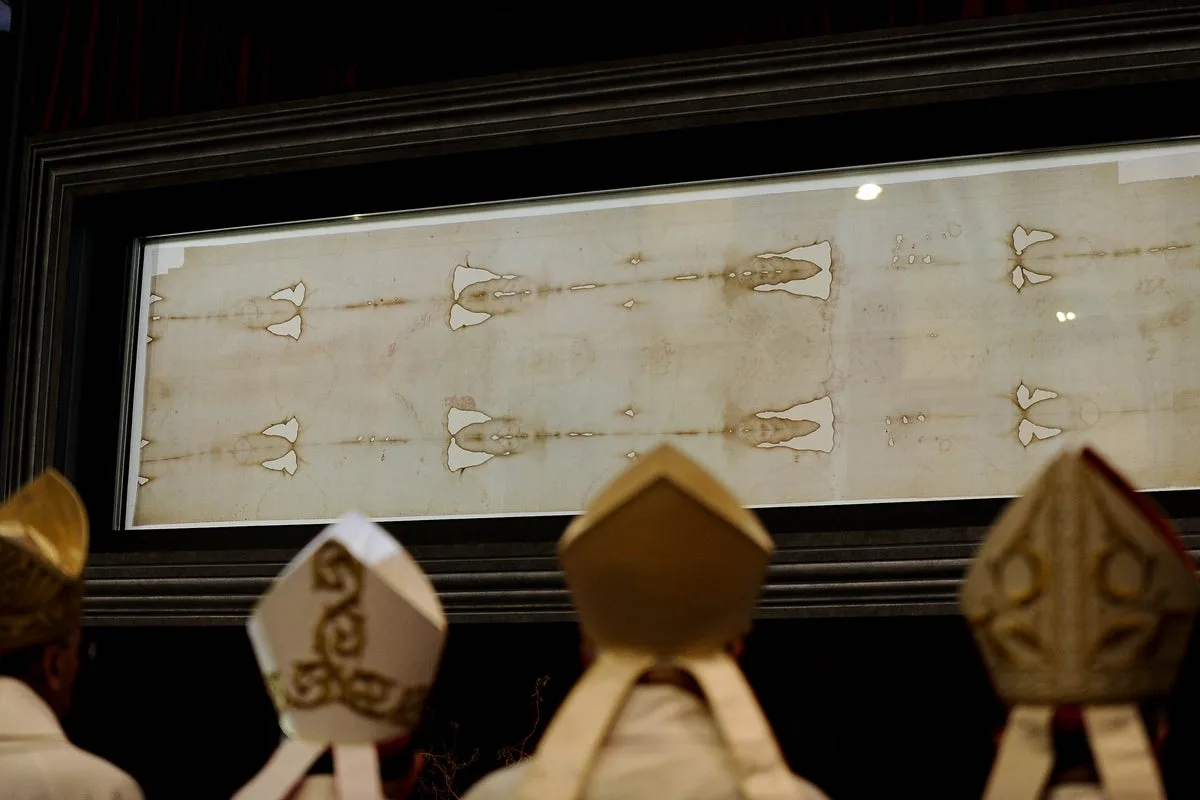
A new DNA analysis of the Shroud of Turin indicates that the yarn used to make the linen fabric may have originated in the Indus Valley region of ancient India. The shroud, measuring 4.4 metres by 1.1 metres, is a controversial Christian relic believed by some to have wrapped Jesus's body after crucifixion. It was first documented in France in 1354 and is now housed in Turin, Italy.
Researchers led by Gianni Barcaccia at the University of Padova analysed DNA from material collected from the shroud in 1978. They found that about 38.7 per cent of the human DNA on the shroud comes from Indian lineages. The study, posted on Bioarxiv and yet to be peer-reviewed, suggests this may be due to historical interactions or Roman imports of linen from near the Indus Valley.
The analysis also identified DNA from various animals, including domestic dogs, cats, chickens, cattle, goats, sheep, pigs, horses, and wild species such as deer and rabbits. Plant DNA from carrots, peppers, tomatoes, potatoes, and wheat species was also detected. The presence of skin bacteria like Cutibacterium and Staphylococcus confirms intense human handling over the centuries.
Researchers noted that the shroud's exposure to multiple individuals challenges the possibility of identifying its original DNA. The study could not date the shroud, but the authors say their findings provide valuable insights into the geographic origins of people who interacted with the relic. They concluded that the genetic and microbial evidence reveals a complex history reflecting diverse interactions.