

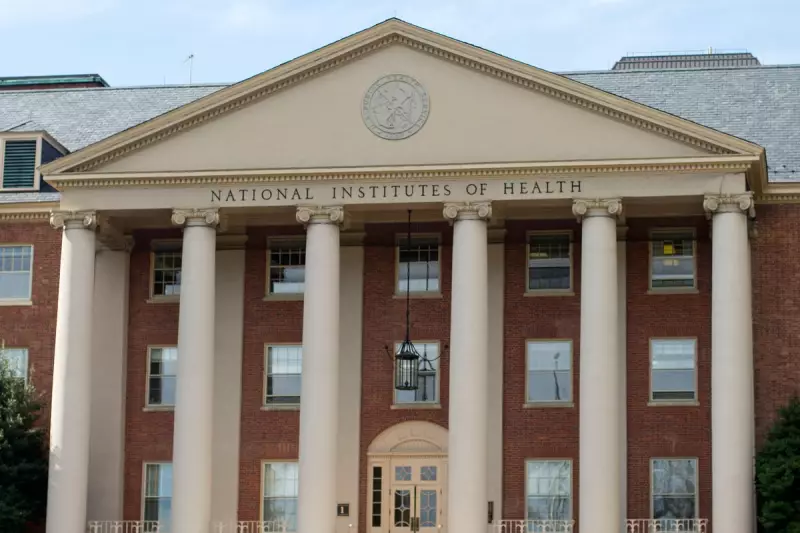
Trump Administration Halts Human Fetal Tissue Use in NIH-Funded Research
The Trump administration has announced a significant policy shift, ending the use of human fetal tissue derived from abortions in all research projects funded by the National Institutes of Health. This decision, revealed on Thursday, represents a major expansion of restrictions that were initially introduced during President Donald Trump's first term in office.
Longstanding Practice Comes to an End
For decades, the United States government has funded research involving fetal tissue under both Republican and Democratic administrations. This tissue, which would otherwise be discarded, has played a crucial role in advancing medical knowledge, particularly in areas such as HIV treatment and cancer research. The material has been considered essential for certain scientific investigations where alternatives have been limited or unavailable.
Policy Details and Implementation
The new policy does not affect the use of established "cell lines" that were created years ago from fetal cells. These cloned copies of cells, including embryonic stem cells adapted for continuous laboratory growth, remain permissible under the current regulations. NIH Director Jay Bhattacharya stated that the agency "has long maintained policies governing the responsible and limited use of human fetal tissue in biomedical research."

Bhattacharya further indicated that the NIH will soon seek public comment regarding potential methods "to reduce or potentially replace reliance on human embryonic stem cells" in future research endeavours.
Declining Usage and Funding Impact
The use of fetal tissue in NIH-funded projects has been declining since 2019. In 2024, the $47 billion agency reported funding only 77 projects that included fetal tissue components. This represents a substantial reduction from previous years, reflecting both changing scientific practices and evolving ethical considerations within the research community.
Historical Context and Political Dimensions
This policy change follows a complex history of regulatory adjustments. During Trump's first administration, restrictions were implemented that ended fetal tissue use on NIH's own campus and created additional hurdles for non-government scientists seeking NIH funding. These measures were subsequently reversed by the Biden administration before being reinstated and expanded in the current announcement.
The decision has been strongly advocated by anti-abortion groups who have long opposed the use of fetal tissue in scientific research. Proponents of the ban argue that adequate alternatives now exist for most research purposes, though many scientists maintain that suitable substitutes are not always available for specific biomedical investigations.
The debate continues between those who view fetal tissue as an invaluable research material that would otherwise be wasted and those who believe ethical considerations should limit its use in government-funded science.






