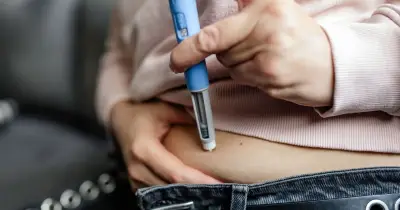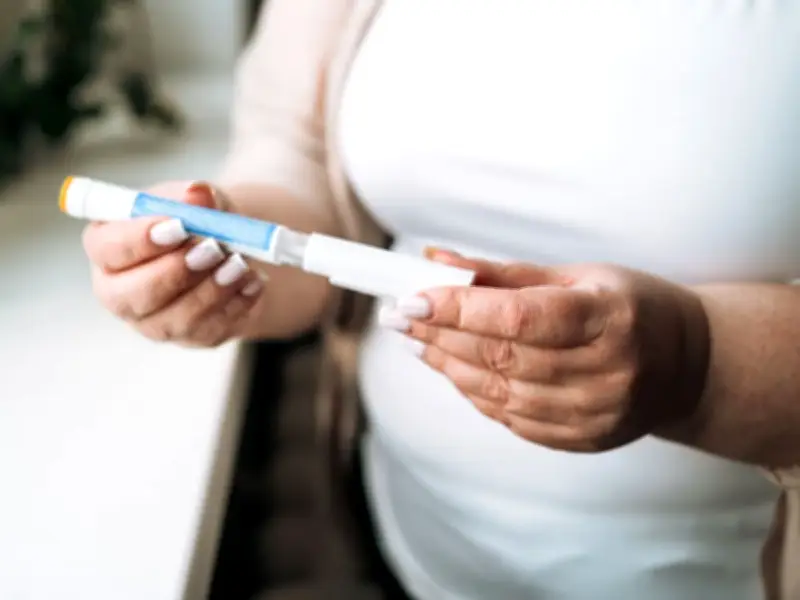
People with type 2 diabetes who stop taking GLP-1 weight loss drugs may have twice the risk of heart attack, stroke or death compared with those who remain on the medication, according to new research. The study found that people with type 2 diabetes and no established heart disease at the start of the study fared better if they stayed on GLP-1 drugs when it came to their heart health.
Study findings from Italian clinics
GLP-1s are already known to be beneficial for the heart, with studies suggesting they can help reduce inflammation and improve blood vessel function. When people lose weight, their blood pressure, inflammation and cholesterol levels tend to improve, which is good for the heart. The most commonly taken GLP-1 drugs in the UK include Ozempic, Wegovy and Mounjaro.
For the new study, researchers analysed electronic medical records from more than 300 diabetes clinics throughout Italy. More than 80,000 people with type 2 diabetes on GLP-1 drugs were identified by the team, which included experts in Italy and from Guy's and St Thomas' NHS Foundation Trust in London.
Risk comparison and caveats
On average, patients who continued treatment took a GLP-1 drug for nearly three years, compared with just over one year for those who stopped. The overall results suggested that the risk of a non-fatal heart attack, non-fatal stroke or death from any cause was about twice as high in people who stopped GLP-1 treatment as in those who continued.
The team said this is the equivalent of about four strokes or heart attacks per 100 people per year among those who stopped, compared with two per 100 among those who continued. Among those who stopped, risks seemed to be higher in people who were still obese. Other results suggested that stopping the drugs may impact the heart regardless of whether people then regained weight or if their blood sugar and blood pressure went up.
Writing in the Lancet Regional Health – Europe journal, the team stressed that the study was observational and it could be that people who stop taking GLP-1 drugs were already in poorer health. The reasons why people stopped were also not taken into account, but may include side-effects, cost, or illness such as frailty or cancer, they said.
Expert reactions
Dr Sonya Babu-Narayan, clinical director at the British Heart Foundation and consultant cardiologist, said: "These findings suggest that people with type 2 diabetes who stop taking GLP-1 medicines may face a higher risk of future heart attack, stroke or death than those who continue treatment. But there are important caveats to these findings, including that this was an observational study… More research is needed to understand the impact of stopping these medications and on the benefits and risks of being on them long-term."
Dr Faye Riley, research communications lead at Diabetes UK, said: "We know that GLP-1 medication can help protect against heart attacks and strokes. This study found that people with type 2 diabetes who stopped taking GLP-1s had a higher risk of heart problems compared to those who continued treatment. However, these findings should be interpreted with caution. This was an observational study, so we can't tell whether stopping taking GLP-1s directly raised people's risk of heart attack and stroke, or if those who discontinued treatment were already experiencing health problems."
Juliet Bouverie, chief executive of the Stroke Association, said both types of diabetes, obesity and high blood pressure increase the risk of stroke. She added: "Emerging research into GLP-1s is encouraging and adds to growing evidence of their potential benefits beyond blood sugar control and weight management. Whilst further research is needed to understand their role in stroke prevention, these findings highlight the potential for new approaches to reducing stroke risk. At the same time, tackling existing risk factors of stroke – including poor diet, drinking too much alcohol, smoking and not taking regular exercise – remains essential to reduce the growing burden of stroke."